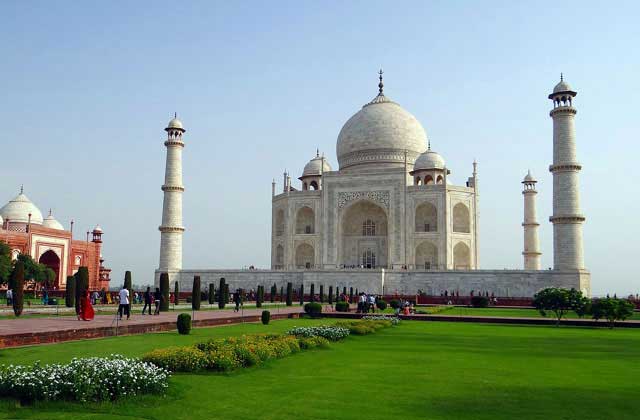
Taj Mahal

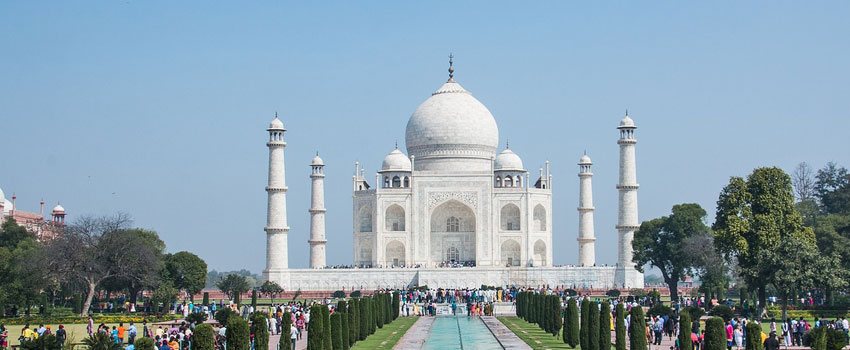
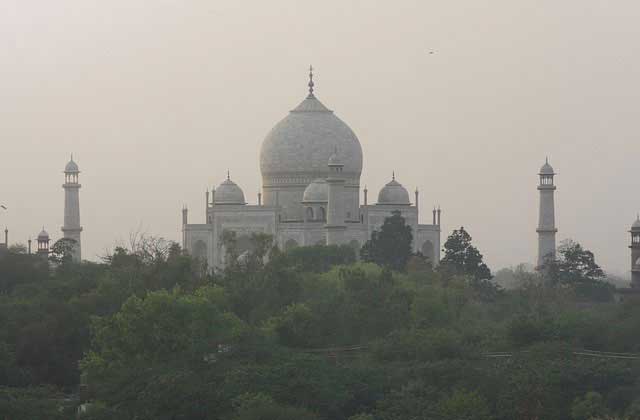
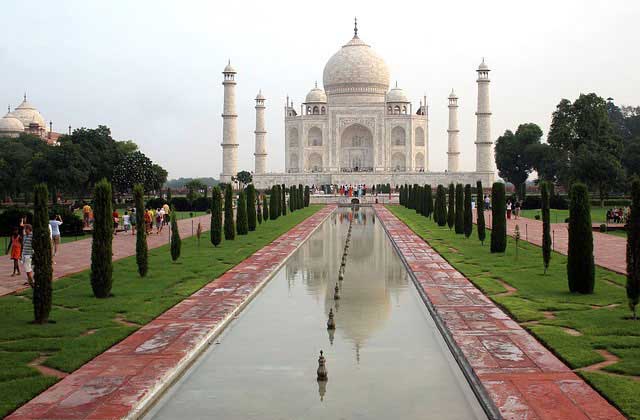
The Taj Mahal, often called the most beautiful building in the world. The city of Agra is world famous for the Taj Mahal, built by the Mughal emperor Shahjahan in memory of his beloved wife. The Taj Mahal is generally considered the finest example of Mughal architecture, a style that combines elements of Persian, Indian and Islamic. The Taj Mahal has achieved special note because of the romance of its inspiration. While the white domed marble mausoleum is the most familiar part of the monument, the Taj Mahal is actually an integrated complex of structures.


History of Taj Mahal

The story of Taj Mahal is inseparable from the life of Mumtaz Mahal who was the chief queen of Shahjahan. Prince Khurram, as Shahjahan was known before he became the Mughal emperor, was a handsome twenty-year-old man, when he was betrothed to Mumtaz. It is said that the imperial capital of Agra was agog with the description of her beauty at the time of the betrothal. The maiden name of Mumtaz Mahal was Arjumand Banu Begum. Prince Khurram had been married twice before he met and married Mumtaz Mahal.
In 1631 Shah Jahan set up to berahanpur with his troops to subdue a rebellion, accompanied by Mumtaz Mahal Unfortunately during childbirth she suffered some complications and died. According to legend before dieing she extracted a promise from Shah Jahan that he would build a mausoleum as a tribute to their love.


Construction of Taj Mahal

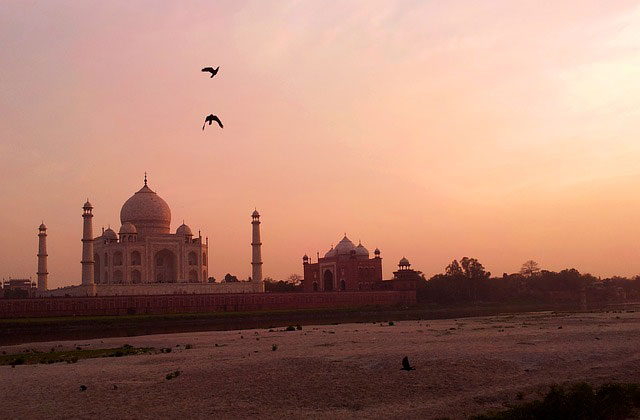
Shahjahan purchased a plot of land from Raja Jai Singh on the banks of Yamuna River for building the Taj Mahal. The construction of Taj Mahal was started in A.D. 1632 and completed at the ended in 1648 A.D. Amanat Khan Shirazi was the calligrapher of Taj Mahal, his name occurs at the end of an inscription on one of the gates of the Taj. Poet Ghiyasuddin had designed the verses on the tombstone, while Ismail Khan Afridi of Turkey was the dome maker. Muhammad Hanif was the superintendent of Masons.
The designer of Taj Mahal was Ustad Ahmad Lahauri. The material was brought in from allover India and central Asia and it took a fleet of 1000 elephants to transport it to the site. The central dome is 187 ft. high at the centre.

Red sandstone was brought from Fatehpur Sikri, Jasper from Punjab, Jade and Crystal from China, Turquoise from Tibet, Lapis Lazuli and Sapphire from Sri Lanka, Coal & Comelian from Arabia and Diamonds from Panna. In all 28 kind of rare, semi precious and precious stones were used for inlay work in the Taj Mahal. The chief building material, the white marble was brought from the quarries of Makrana, in distt. Nagaur, Rajasthan. Copies of orders (farmans) issued to Raja Jai Singh, for the purpose by Shah Jahan, can be seen in the Taj Museum.

Following are the famous Monuments in India:


Please visit our popular pages :

Indian Languages | Indian Tourism | Indian Monuments | Indian Temples
 
Interesting Information
- Visitor Insurance
- Practical Immigration Info
- Student Medical Insurance


Indian Insurance
- Health Insurance India
- Travel Insurance India
- Student Insurance India
 
Indian Festivals
 
NRI Shop
- Visitor Insurance
- Indian Tour Packages
 
Interactive NRIOL
- NRI Survey
- Letters to Editor
 
Calories Counter
 
Health Tools
- Basal Metabolic Rate
- Body mass index
- Body Fat estimator
- Waist Hip Ratio calculator
- Healthcare tips
 
 
NRIOL Community


Home | News & Views | NRIOL Exclusives | Community | Resources | India Travel Insurance | Visitor Medical Insurance | Shop | Help | Feedback
Estd. 1997 © Copyright NRI Online Pvt. Ltd. All rights reserved worldwide. Please read our site policy.