|
|
| |
 |
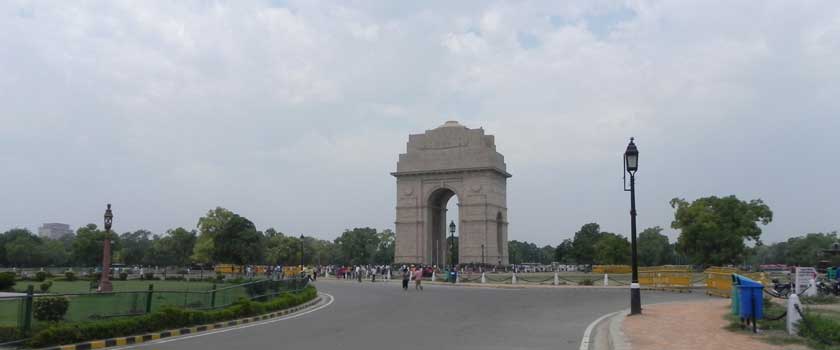
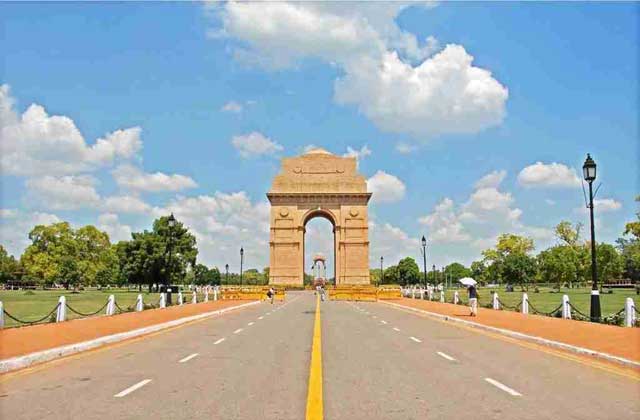
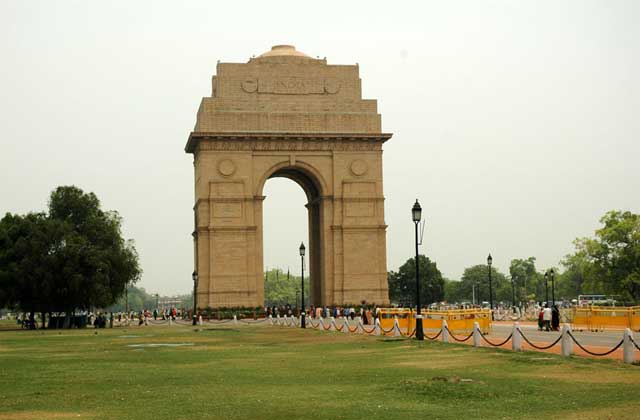
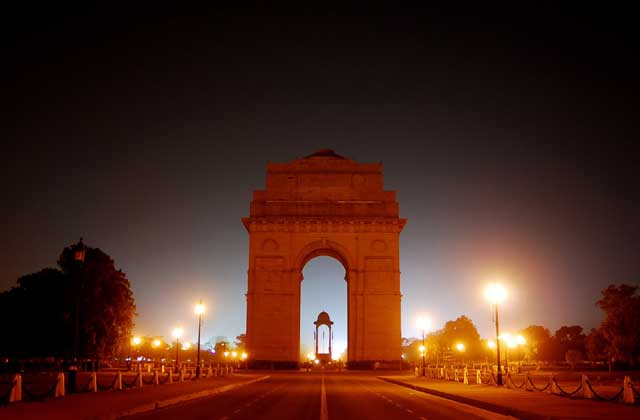
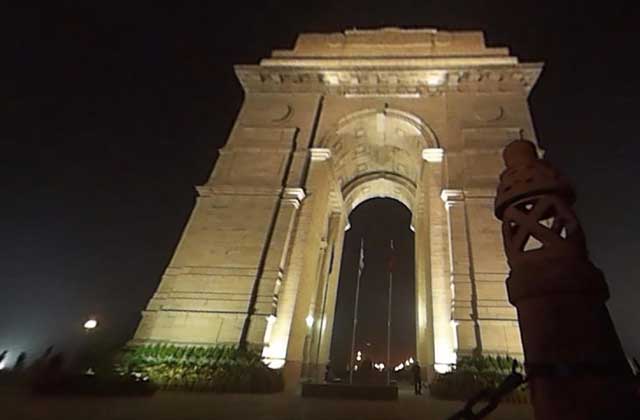
Straight down the road from Rashtrapati Bhavan along a magnificent view and totally unhampered drive is India Gate, which is primarily a memorial to the Unknown Soldier. Designed by Lutyens, the 42 metre high structure is a war memorial in honor of the soldiers who died during the Second World War. The imposing structure from where stretch massive lush green lawns has an eternal flame (amar jawan jyoti) to honor the memory of the unknown soldiers. A popular picnic spot, one can see hoarders of people moving about the area and on the lawns on summer evenings. |
History of India gate
| Situated on the Rajpath in New Delhi, India Gate (originally called the All India War Memorial) is a monument built by Edwin Lutyens to commemorate the Indian soldiers who died in the World War I and the Afghan Wars. The foundation stone was laid on 10 February 1921 by the Duke of Connaught. The names of the soldiers who died in these wars are inscribed on the walls. It was completed in 1931. Burning under it since 1971 is the Amar Jawan Jyoti (The flame of the immortal warrior), which marks the Unknown Soldier's Tomb.
|
 |
Architectural Marvel
 |
A tour of Lutyens’ Delhi just has to kick off with the stately India Gate at the east end of the broad Janpath (earlier Kingsway) that leads to the Rashtrapati Bhawan. Another additional 13,516 names engraved on the arch and foundations form a separate memorial to the British and Indian soldiers killed on the North-West Frontier in the Afghan War of 1919. The foundation stone was laid by HRH the Duke of Connaught in 1921 and the monument was dedicated to the nation 10 years later by the then Viceroy, Lord Irwin.
|
Another memorial, Amar Jawan Jyoti was added much later after India had said goodbye to its imperial rulers. It is in the form of a flame that burns day and night under the arch to remind the nation of soldiers who perished in the Indo-Pakistan War of December 1971.
The entire arch stands on a low base of red Bharatpur stone and rises in stages to a huge cornice, beneath which are inscribed Imperial suns. Above on both sides is inscribed INDIA, flanked by MCM and to the right, XIX. The shallow domed bowl at the top was intended to be filled with burning oil on anniversaries but this is rarely done.
Location : New Delhi
Famous As : All India War Memorial
Designed By : Edwin Lutyens In 1921
Height : 42m
|
|
|
|
|