USA Tourism Packages from India
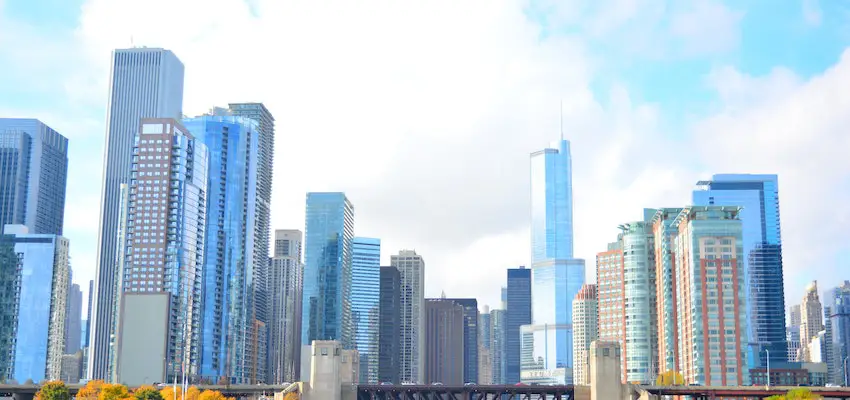
Chicago
View details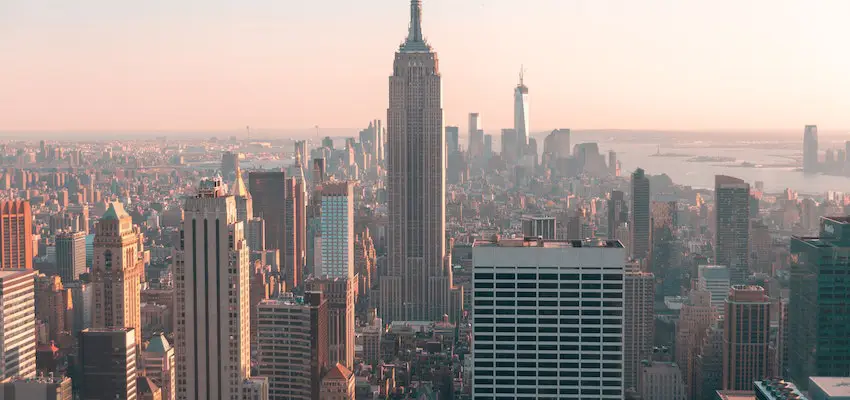
New York
View details
San Francisco
View details
Washington
View details
In India, the interaction with neighbors is very informal. The relations with the neighbors are just like family members who can come and go anytime, especially if you are living in a colony. Here it is not like that. The people are so busy here that they hardly find few minutes to talk to their neighbors. They leave for work on the mornings and return tired in the evenings.
In India typically Sunday is the only holiday. However, in America Saturday and Sunday are holidays. During these two days they enjoy, do household work, socialize with different people etc.
One thing you will miss here for sure and that is having servants or maids. In America people do all household work on their own. This might include washing utensils, getting groceries etc. Here you will come across people fixing their own cars, lawn mowing, doing gardening etc.
The United States of America offers very sophisticated systems. You don't have to stand in queues to pay bills. Everything is being made convenient through phone or via internet. One thing is for sure that life is much more convenient here as compared to India.
In America you don't find ticket conductor. You also won't get formal tickets for tickets unless you need a day pass. The stop request can be made to the driver by pulling the bell
string.
When police /cop stops you
Here you need to follow the speed signs carefully. You will be fined if you cross the speeding limit. When a police asks you to stop your car, stop your car without any hesitation.
Do not step out of your car unless asked for. The cop may consider it as an offense, and might shoot you for self defense.
Restaurants
In many restaurants, you will come across buffets. At buffets, you need to use a fresh plate for every serving. You need to leave your earlier plate at the table itself as the
server will clean it up. When you want a drink without ice, you need to say "No Ice" and not "Without Ice". At fast food places, you would be asked is for "Here" or "To Go"? "Here"
means to have there itself, and "To Go" means packed/ parceled.
Daylight Saving
All watches are reset twice every year (viz. April and October), in order to make the maximum use of the day light.
Addressing People
Don't call a black person a "Negro" or "Black", it is always polite to call them "African Americans". Also never call an "American Indian" as a "Red Indian", they get very
offended
Measurement system in US
If you plan to shop clothes, shoes etc. you should know that sizes are different in USA as compared to India. The American system of sizes and measurement is different from that
in India. Even the distance is measured in miles, not in kilometers!! Gas (Petrol) price you will find per gallon and not per liter! So, get to know all the conversions.
Measurement Differences and Units
Weights:
Weight is measured in ounces and pounds.
1 ounce = 28 grams,
1 pound = 0.45 kg.
Distances:
The basic units of distance
are inch, foot, yard and mile.
1 yard = 0.9 meter,
1 mile = 1.6 km.
Temperature:
Temperature is measured in Fahrenheit, not in centigrade. 1 Celsius = 1.8 Fahrenheit. 1 Celsius is 1.8 Fahrenheit.
C=(5/9)*(T-32)
F=(9/5)*C+32
C=temperature in degrees Celsius
F=temperature in degrees Fahrenheit
Volume:
1 Ounce (OZ) Fluid = 29.57 ml
1 Gallon = 3.785 Liters
Electrical and Electronic devices
There is a difference in Electricity and Video technology in both the countries. In case you want to buy any Electronic/ Electrical/ Cellular phone system for the purpose of
Indian use, consider the following points

New addition to your family?
GET THEN INSURED
Find Affordable
HEALTH INSURANCE!!

Is your family visiting you?
GET THEN INSURED
Find Affordable
TRAVEL INSURANCE!!

Get free quotes and buy Indian Domestic travel insurance plans offered by Indian insurance companies.
Know moreIt has resourceful information for people who are planning to return to India
Know more