Tamilnadu, Tamilnadu Travel Tourism, Travel to Tamilnadu
| Area |
130,058 sq.kms |
| Population |
62,110,839 |
| Literacy |
73.47% |
| Language |
Tamil, Telugu, Malayalam, Kannada, Urdu, Hindi, English |
| Capital |
Chennai |
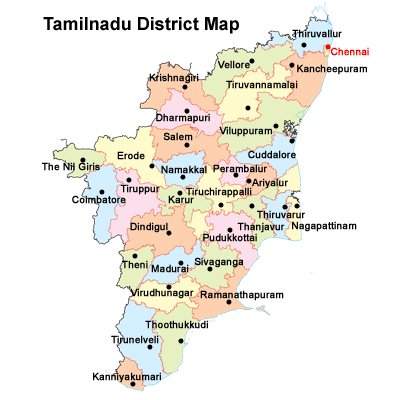
| Districts |
30 |
| Other Cities |
MCoimbatore, Coonoor, Madurai, Salem. |
| Airports |
Chennai, Coimbatore, Madurai, Tiruchirapalli, Tuticorin |
| Weather |
Generally very warm. Best time to visit is between November and March. Temperature goes up to 44°C in peak summer. Rains are moderate to heavy from June to December. |
Places to Visit : Temples and Monuments |
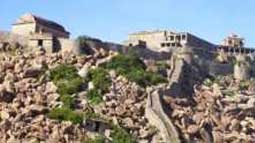
Mahabalipuram, Chingelput, Gingee, Vellore, Auroville, Chidambaram, Kanchipuram, Kanyakumari, Chennai, Madurai, Rameswaram, Thanjavur |
| Wild Life |
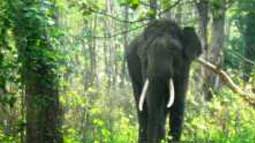
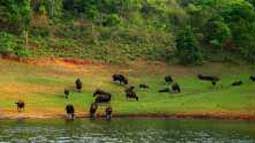
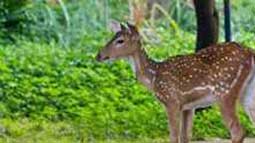
Annamalai, Kodikkari, Chennai, Madumalai, Mundanthurai, Vedantangal |
| Beaches |
Covelong, Kanyakumari, Chennai, Mmallapuram, Rameshwaram, Kurusadai. |
| Industrial Centres |
Coimbatore (textile), Kanchipuram (silks), Madurai, Sivakasi, Thanjavur, Tirunelveli |
| Hill Resort |
Ooty |
|
 |
Information about Tamilnadu, About Tamilnadu State
The state of Tamil Nadu is bordered by Karnataka and Andhra Pradesh in the north and Kerala in the west. The Point Calimere and Mudumalai wildlife sanctuaries in the eastern and western tips of the state and the northern extreme is Pulicat lake and the southernmost tip is Kanyakumari, the land's end. Tamil Nadu is principally washed by the Cauvery, originating in Coorg in neighbouring Karnataka. Chennai is the capital of Tamil Nadu.
The official state language of the state is Tamil and is spoken by most of the people. The main religions in the state are Hinduism, Christianity, Islam, and Jainism. Hindu families owe allegiance to a number of sectarian monastic institutions, or maths, of which the most important is the Shankara Math at Kumbakonam. Although Tamil Nadu is one of the most urbanized states of India, it is still a rural land; agriculture is the mainstay of life for about three-quarters of the rural population. |
 |
|
If your idea of India is one of ancient temples thick with incense and chanting masses worshipping dimly lit deities covered with vermilion paste and crushed marigolds, then Tamil Nadu is where your mental images will be replaced by vivid memories. Occupying a long stretch of the Bay of Bengal coastline known as the Coromandel Coast, India's southernmost state is dominated by a rich cultural and religious heritage that touches every aspect of life. For many, this is the Hindu heartland -- home to one of India's oldest civilizations, the Dravidians, who pretty much escaped the Mughal influence that permeated so much of the cultural development in the North. Ruled predominantly by the powerful Chola, Pallava, and Pandyan dynasties, Dravidian culture flourished for more than a thousand years, developing a unique political and social hierarchy. In spite of globalization and the political dominance of the North, Tamil Nadu has retained its fervent nationalist sensibility -- an almost zealous pride in Tamil language and literature and in its delicious and varied cuisines.
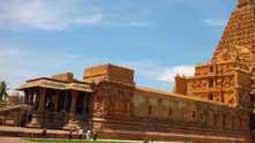
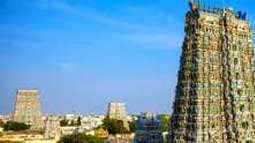
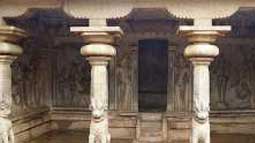
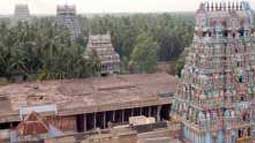
Thanks to heavy summer downpours, Tamil Nadu is green and lush -- particularly in the Cauvery Delta toward the west, where the great Dravidian kingdoms were established and some of the finest temples built, like the 11th-century Brihadeshvara Temple, situated in Thanjavur, the Chola capital for 400 years. By contrast, Chennai (or Madras, as many still refer to it), the capital established by the British in the 17th century, exudes no such appeal. It's primarily of interest as a gateway to some of the region's best attractions, like nearby Kanchipuram, one of the seven sacred cities of India, and Sri Venkateshvara Temple (in Tirupati, just over the border in Andhra Pradesh), said to be the wealthiest temple in the world. There, devotees line up for hours -- even days -- to hand over an annual 1.5 billion rupees to help Vishnu settle his debt with the God of Wealth. Just 2 hours south of Chennai lies the seaside village of Mamallapuram, where, right near the water's edge, the Pallavas built the earliest examples of monumental architecture in southern India during the 5th and 9th centuries. From here it's a relaxing 2 1/2-hour drive farther south to charming Pondicherry, a former French coastal colony. Although the French officially left years ago, Pondicherry's Gallic spirit is still very much alive -- traditional Indian snack joints feature signs proclaiming MEALS READY; BIEN VENUE; locals clad in lungis (traditional Indian clothing) converse in French; and gorgeous antiques-filled Indo-French colonial mansions have been restored as hotels -- the kind of "temple" that will appeal to the lazy hedonist in you. Having caught your breath in the wide boulevards of Pondicherry, you can either travel to Tiruchirappalli, exploring the holy temple town of Srirangam and nearby Thanjavur, or head to Sri Meenakshi-Sundareshwar Temple at Madurai. A place of intense spiritual activity, this temple is where 15,000 pilgrims gather daily to celebrate the divine union of the goddess Meenakshi (Parvati) and her eternal lover, Sundareshwar (Shiva) -- one of the most evocative experiences in all of India.
There is tropical climate in Tamil Nadu, he temperature in summer seldom 43º C and in winter seldom falls below 18º C. The lowest temperatures are recorded during December and January, and the highest in April to June. The average annual rainfall, falling mainly between October and December, ranges between 25 and 75 inches. |
Our Other Information about Haryana state are as follows :
- Temple of Tamilnadu
- Park of Tamilnadu
- Wildlife of Tamilnadu
- Culture of Tamilnadu
External link
http://www.tamilnadutourism.org/
Indian Tourism
|
|
|
|
|