|
Orissa has rich heritage which is two thousand years old and has a glorious history of its own. . It was known under different names in different periods : Kalinga, Utkal or Odradesha.
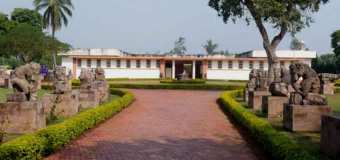
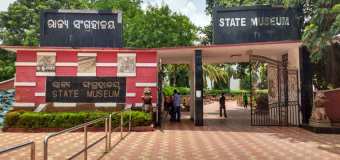
In addition to the history, Orissa has a long tradition of art and architecture. The early monuments date back to the third century B.C. The remnant of an Ashokan pillar, turned into a Siva Lingam and enshrined in the Bhaskaresvara temple at Bhubaneswar and the lion capital of an Ashokan pillar, presently in the State Museum, speak volumes of Orissa’s past glory.
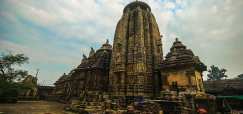
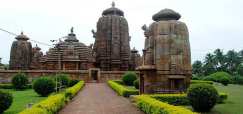
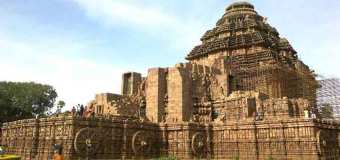
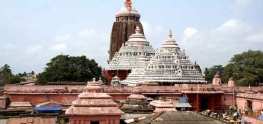
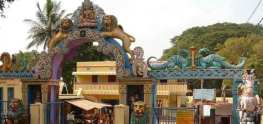
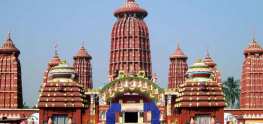
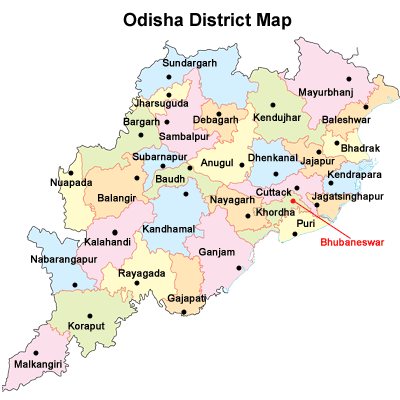
The tropical state that flourished during the 13th century on India's central eastern seaboard, Orissa is famous for its temples, which draw thousands of pilgrims here throughout the year, predominantly to Jagannath Temple in the coastal town of Puri, to worship Vishnu in his avatar as the Lord of the Universe. Architecturally, the Sun Temple at Konark is of even greater significance, with its massive stone-carved chariot adorned with sculptures, rising to carry Surya, the sun god, to the heavens. Even Orissa's capital, Bhubaneswar (the third point of Orissa's Golden Triangle), is more important for its enormous collection of Hindu temples -- at one time 7,000 -- than it is as an administrative or industrial center.
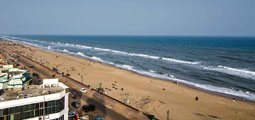
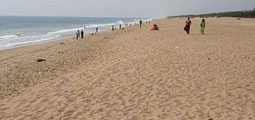
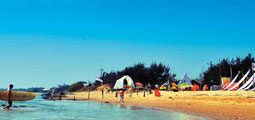
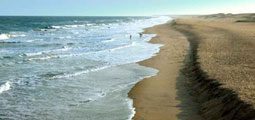
Orissa remains largely tribal, with many villages still off-limits to outsiders, but the state is also well-known for its "Tribal Tourism." For the anthropologically inclined, this offers you a chance to get way off the beaten track and meet people who live almost completely on the fringes of civilization. The state is also a good place to pick up crafts, particularly textiles and paintings -- even when tending to the rice paddies, the women of Orissa are dressed in glamorous saris. Cottage textile industries are the mainstays for entire villages, which produce beautiful ikat (patterned) textiles, palm-leaf paintings, and bright patachitra (cloth) paintings (the best-known of Orissa's handicrafts). Note: Although Orissa has long, golden beaches that curve around the Bay of Bengal, the infrastructure here is limited and the sea can be treacherous; beach lovers are best off heading for Kerala or Goa.
The tropical state that flourished during the 13th century on India's central eastern seaboard, Orissa is famous for its temples, which draw thousands of pilgrims here throughout the year, predominantly to Jagannath Temple in the coastal town of Puri, to worship Vishnu in his avatar as the Lord of the Universe. Architecturally, the Sun Temple at Konark is of even greater significance, with its massive stone-carved chariot adorned with sculptures, rising to carry Surya, the sun god, to the heavens. Even Orissa's capital, Bhubaneswar (the third point of Orissa's Golden Triangle), is more important for its enormous collection of Hindu temples -- at one time 7,000 -- than it is as an administrative or industrial center.
Orissa remains largely tribal, with many villages still off-limits to outsiders, but the state is also well-known for its "Tribal Tourism." For the anthropologically inclined, this offers you a chance to get way off the beaten track and meet people who live almost completely on the fringes of civilization. The state is also a good place to pick up crafts, particularly textiles and paintings -- even when tending to the rice paddies, the women of Orissa are dressed in glamorous saris. Cottage textile industries are the mainstays for entire villages, which produce beautiful ikat (patterned) textiles, palm-leaf paintings, and bright patachitra (cloth) paintings (the best-known of Orissa's handicrafts). Note: Although Orissa has long, golden beaches that curve around the Bay of Bengal, the infrastructure here is limited and the sea can be treacherous; beach lovers are best off heading for Kerala or Goa. |