

Historical Backdrop, Introduction to Mizoram
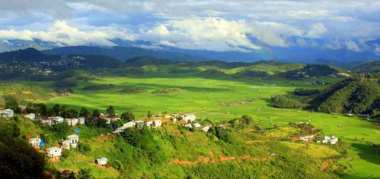
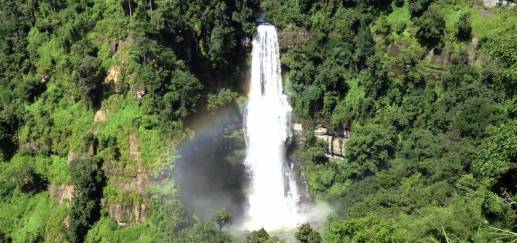
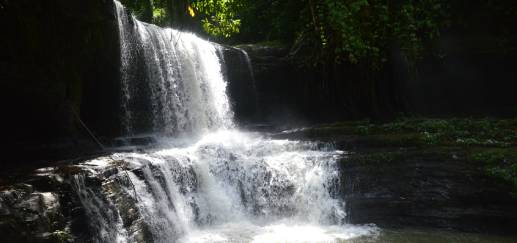
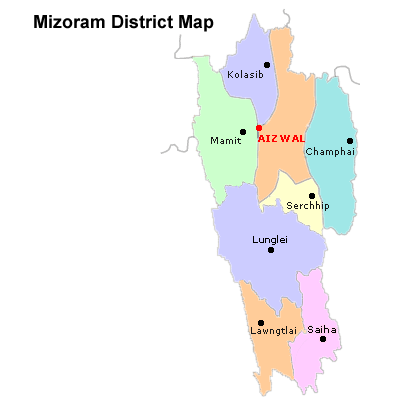
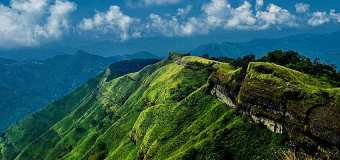
In North Eastern India Mizoram is one of the seven sister states. The borders of the state share Tripura, Assam,Manipur and with the neighbouring countries of Bangladesh and Burma. Mizoram became the 23rd state of India on 20 February 1987. Its capital isAizawl. Mizoram is located in the northeast of India. Mizoram has scenic valleys and quaint villages combined with hills and deep gorges. The evergreen belt of the Mizoram hills and rare species of flora and fauna has added significantly to the natural beauty of the place. The waterfalls and rivers flowing alongside the high peaks of the Phawngui hills draw a large number of tourists.
Mizoram tourism has plenty to offer for nature lovers and adventure enthusiasts. The state is emerging as a major eco tourism and adventure tourism destination in Northeast India. During the last five years, Mizoram tourism received a good number of domestic as well as international tourists from all parts of the world.
The culture of Mizoram reflects the quintessential lifestyle and traditional heritage of the inhabitants of the Mizoram, popularly known as the ‘Songbird of the North east’. The people of Mizoram are collectively known as the Mizo. The residents of Mizoram are very proud of their cultural legacy and go great lengths to preserve it despite considerable foreign intrusion.
The origin of the Mizos, like those of many other tribes in the North Eastern India is shrouded in mystery. The generally accepted as part of a great Mongoloid wave of migration from China and later moved out to India to their present habitat.
It is possible that the Mizos came from Shinlung or Chhinlungsan located on the banks of the river Yalung in China. They first settled in the Shan State and moved on to Kabaw Valley to Khampat and then to the Chin Hills in the middle of the 16th century.
The earliest Mizos who migrated to India were known as Kukis, the second batch of immigrants were called New Kukis. The Lushais were the last of the Mizo tribes migrate to India. The Mizo history in the 18th and 19th Century is marked by many instances of tribal raids and retaliatory expeditions of security. Mizo Hills were formally declared as part of the British-India by a proclamation in 1895. North and south hills were united into Lushai Hills district in 1898 with Aizawl as its headquarters.
The process of the consolidated of the British administration in tribal dominated area in Assam stated in 1919 when Lushai Hills along with some other hill districts was declared a Backward Tract under government of India Act. The tribal districts of Assam including Lushai Hills were declared Excluded Area in 1935.
|