NRIOL  -  Non-Resident Indians Online! Visitor Medical Insurance
Home Indian Tourism-Details Regions of India Miscellaneous Types of Tours About Us
Indian Tourism             

Temples in Eastern India          

Jagannath Temple
Kalighat Temple
Budhadeva Temple
Parsuramakund
Kamakhya Temple
Deoghar Temple
Sikkim Temple
Chaturdasha Temple
Manipur Temple
Meghalaya Temple
Mizoram an Introduction
Nagaland an Introduction

Parks in Eastern India              

Nandankanan National Park
Sundarban Park
valmiki Park
Gumti Park
Kaziranga Park
Palamu Park
Kanchendzonga Park
Kamlang Park

Wildlife Sanctuary in East              

Assam Wildlife Sanctuary
Tripura Wildlife Sanctuary
Westbengal Wildlife Sanctuary

Orissa Wildlife Sanctuary
Wildlife Sanctuary Mizoram
Wildlife Sanctuary Nagaland
Culture in East
Culture of Orissa
Culture of West Bengal
Culture of Bihar
Culture of Arunachal
Culture of Assam
Culture of Jharkhand
Culture of Sikkim
Culture of Tripura
Culture of Manipur
Culture of Meghalaya
Culture of Mizoram
Culture of Nagaland

Meghalaya


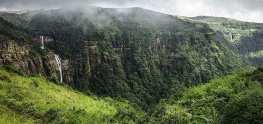
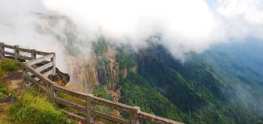
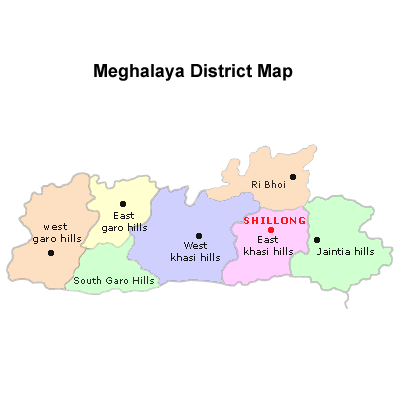
Meghalaya, a Sanskrit word meaning "the  abode of cloud", was created as an autonomous State on 2nd April 1970. The full-fledged State of Meghlaya came into existence on 2nd January 1972. Meghalaya has precise historic, geographic and strategic significance for India. It is bound on north and east by the state of Assam, and on south and west by Bangladesh. The three physical division in the state are Garo (Western), Khasi (Central) and Jaintia (Eastern) hill divisions.

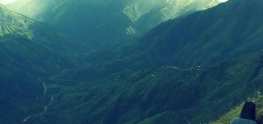
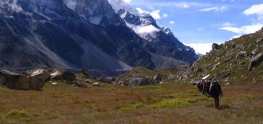
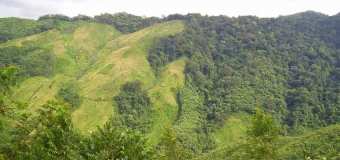
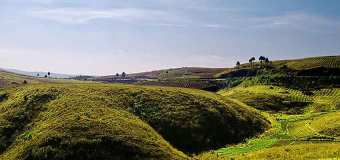
In the Garo hills, the Tura range occupies dominantly a middle portion running west to east where the Nokrek peak is located. Khasi -Jaintia ranges are interwined with a curved-alignment. Spurs of ranges in Jaintia hills are shorter in height than the Shillong Plateau; hillbases lie side by side with flat lands, valley and meadows.

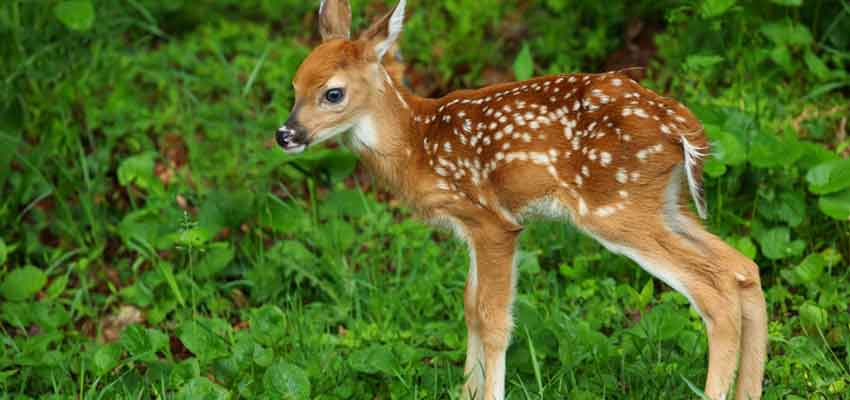
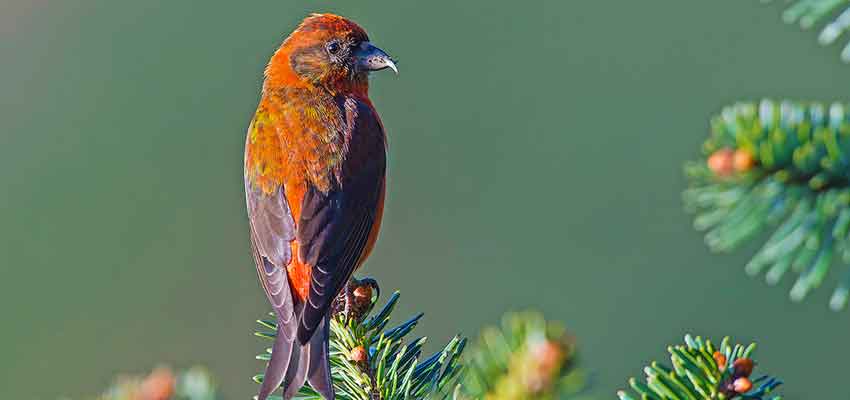
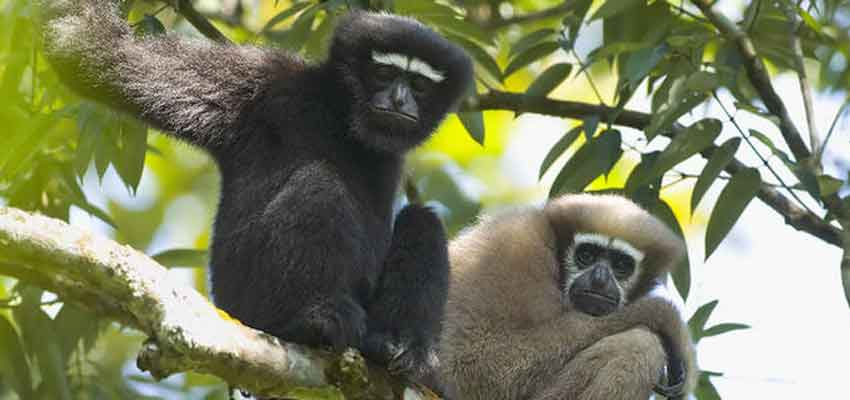
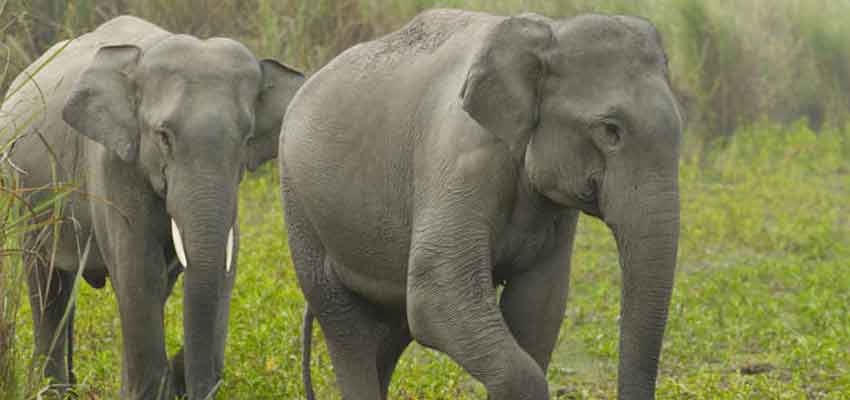
Meghalaya is endowed with a rich variety of flora and fauna. Of about 17,000 species of orchids in the world, around 3000 varieties are found in Meghalaya. A botanical wonder, the pitcher plant, an insect eating plant is found in the district of Jaintia hills, West Khasi hills and South Garo hills of the state. Animals and birds that are found in the state are elephants, tigers, bear, jackal, leopard, golden langurs etc .The interesting birds found in the state include Hornbills, King Vulture, Crested Serpent, Eagle, Partridges, Teals, Snipes, Quails etc.

Meghalaya occupies a total area of 22,429 sq kms with a total population of 2,306,069 persons as reported in the census of 2001. The sex-ratio in Meghalaya was 974 females per 1000 males; as against 923 females for the country as a whole. The fairly high sex ratio in Meghalaya may be attributed to the existing tradition of matrilineal society. The Khasi and Jaintia tribes are matrilineal in character in which, the immovable property of the deceased, is inherited by females, especially the youngest daughter. As a matter of fact, the female babies and daughters get adequate attention of the parents with respect to education and health care. 

Meghalaya is mainly a Christianity dominated state. Before the arrival of Christian missonaries in the late 19th century and later, most natives followed tribal religions.  

Our Other Information about Meghalaya state are as follows :

Visitors insurance
 
Travel Booking To India

Indian Insurance

Travel Insurance

Student Insurance

Parents Insurance
 
 
Weather in India

Non Resident Indian Community

Visitor Medical Insurance |  Indian Insurance |  About Us |  Contact Us |  Sitemap |  Disclaimer |


Copyright NRI Online Pvt Ltd All rights reserved worldwide