NRIOL  -  Non-Resident Indians Online! Visitor Medical Insurance
Home Indian Tourism-Details Regions of India Miscellaneous Types of Tours About Us
Indian Tourism             

Temples in Eastern India          

Jagannath Temple
Kalighat Temple
Budhadeva Temple
Parsuramakund
Kamakhya Temple
Deoghar Temple
Sikkim Temple
Chaturdasha Temple
Manipur Temple
Meghalaya Temple
Mizoram an Introduction
Nagaland an Introduction

Parks in Eastern India              

Nandankanan National Park
Sundarban Park
valmiki Park
Gumti Park
Kaziranga Park
Palamu Park
Kanchendzonga Park
Kamlang Park

Wildlife Sanctuary in East              

Assam Wildlife Sanctuary
Tripura Wildlife Sanctuary
Westbengal Wildlife Sanctuary

Orissa Wildlife Sanctuary
Wildlife Sanctuary Mizoram
Wildlife Sanctuary Nagaland
Culture in East
Culture of Orissa
Culture of West Bengal
Culture of Bihar
Culture of Arunachal
Culture of Assam
Culture of Jharkhand
Culture of Sikkim
Culture of Tripura
Culture of Manipur
Culture of Meghalaya
Culture of Mizoram
Culture of Nagaland

Jharkhand


Introduction to Jharkhand

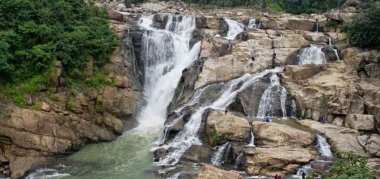
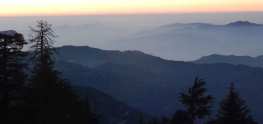
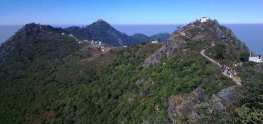
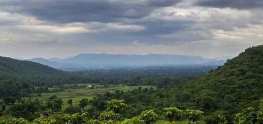
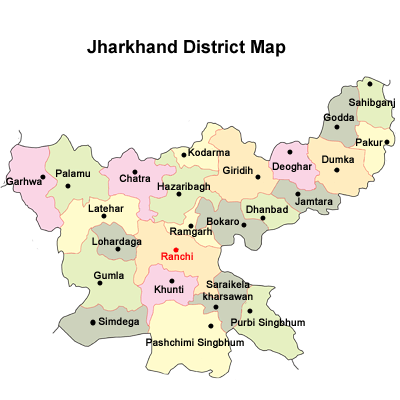
Jharkhand means a forest country. This region lies in the southern part of Bihar embracing Santhalparganas and Chhotanagpur. It comprises of 18 districts. It is a plateau about 3000 feet above sea level. The highest part of the plateau is Netarhat which has an elevation of 3600 ft. The Parasnath Hill is the highest point with an elevation of 4800 feet. The plateau is full of mountain ranges covered with dense forests. A number of rivers and rivulets flow down through the hilly terrains and valleys.

The bloody revolts: The period of bloody revolts of the adivasees to protect their Jharkhand land took place from 1771 to 1900 AD. The first ever revolt against the landlords and the British government was led by Tilka Manjhi, a valiant Santhal leader in Santal tribal belt in 1771. He wanted to liberate his people from the clutches of the unscrupulous landlords and restore the lands of their ancestors. The British government sent its troops and crushed the uprisings of Tilka Manjhi. Soon after in 1779, the Bhumij tribes rose in arms against the British rule in Manbhum, now in West Bengal. This was followed by the Chero tribes unrest in Palamau. They revolted against the British Rule in 1800 AD. Hardly seven years later in 1807, the Oraons in Barway murdered their big landlord of Srinagar west of Gumla. Soon the uprisings spread around Gumla. The tribal uprisings spread eastward to neighbouring Tamar areas of the Munda tribes. They too rose in revolt in 1811 and 1813.

The Hos in Singhbhum were growing restless and came out in open revolt in 1820 and fought against the landlords and the British troops for two years. This is called the Larka Kol Risings 1820-1821. Then came the great Kol Risings of 1832. This was the first biggest tribal revolt that greatly upset the British administration in Jharkhand. It was caused by an attempt of the Zamindars to oust the tribal peasants from their hereditary possessions. The Santhal insurrection broke out in 1855 under the leadership of two brothers Sidhu and Kanhu. They fought bitterly against the British troops but finally they too were crashed down.

Then Birsa Munda revolt broke out in 1895 and lasted till 1900. The revolt though mainly concentrated in the Munda belt of Khunti, Tamar, Sarwada and Bandgaon, pulled its supporters from Oraon belt of Lohardaga, Sisai and even Barway. It was the longest and the greatest tribal revolt in Jharkhand. It was also the last bloody tribal revolt in Jharkhand.

Our Other Information about Jharkhand state are as follows :

Visitors insurance
 
Travel Booking To India

Indian Insurance

Travel Insurance

Student Insurance

Parents Insurance
 
 
Weather in India

Non Resident Indian Community

Visitor Medical Insurance |  Indian Insurance |  About Us |  Contact Us |  Sitemap |  Disclaimer |


Copyright NRI Online Pvt Ltd All rights reserved worldwide