Introduction to Goa
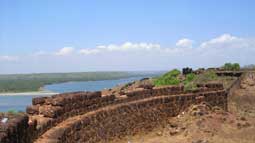
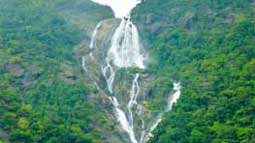
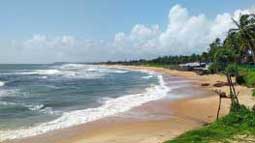
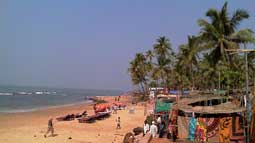
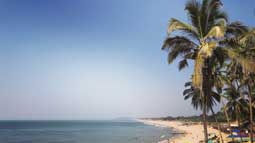
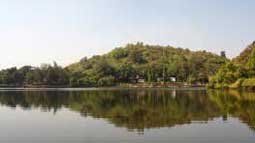
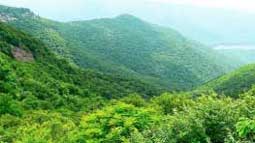
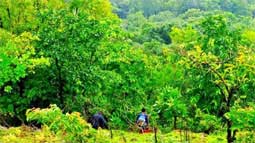
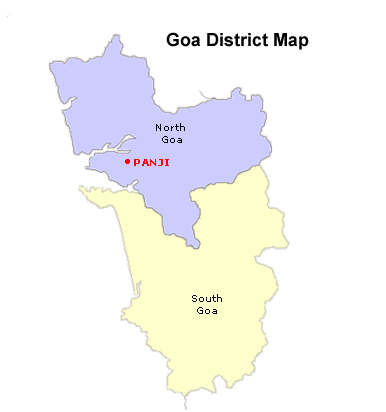
Goa, one of India’s smallest states with a territory of 3,702 sq km is cradled in the Sahayadri range in the Western Ghats. It is bound by the Arabian Sea on the west, Maharashtra to the north and Karnataka to the east and south. Here, long beaches are interspersed with open grasslands and low hills. The vegetation is tropical with cashew and teak plantations, coconut and arecanut groves and paddy fields.
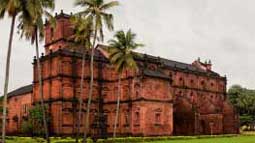
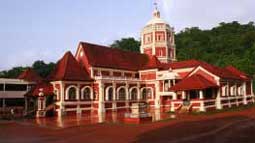
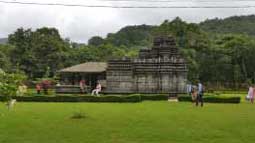
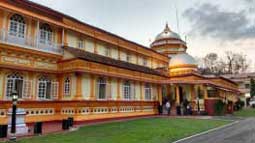
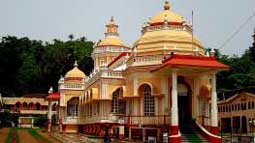
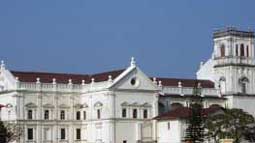
Goan culture is a blend of Indian and Iberian: European style central squares and Indian bazaars, Portuguese churches alongside Hindu temples. Goa is rich in folk culture with a delightful blend of vigorous Konkani folk songs and remnants of Portuguese dance and music. Christianity and Hinduism exist sidy by side.
The name Goa is derived from that of the pastoral communities (Go) who are thought to have migrated to Goa in the prehistoric period. Goa’s ancient history goes back to the third century BC when it was part of the Mauryan Empire (321 to 185 BC). It became a great commercial centre under the Kadambas. It fell to the Bahmani kingdom in 1347 and was then taken over by the Vijayanagara kingdom in 1370. Later it became a Portuguese colony and remained so for the next four and a half centuries. |