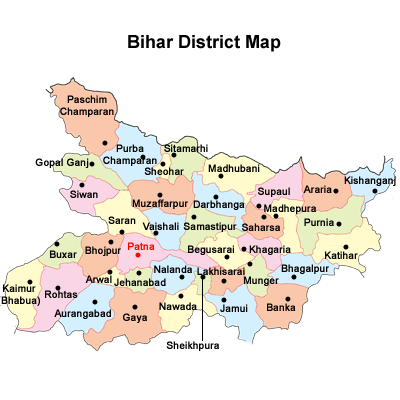
Bihar is a state landlocked with borders of Nepal in the north, Uttar Pradesh on the west, Jharkhand on the south and West Bengal on the east. Though majority of people here speak Hindi, it nevertheless has several Hindi dialects such as Bhojpuri, Magadhi (Magahi), Angika, Maithili and Sarnami Hindustani. Interestingly it was this Magahi that was spoken during the reign of Ashoka. Bihar is situated on the eastern part of the Indo-Gangetic Plain.
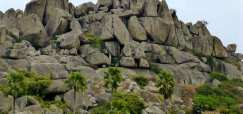
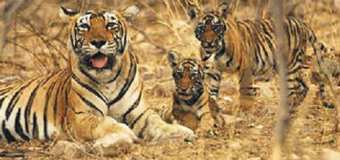
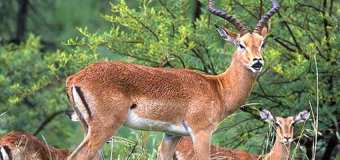
The state is also well known for some of the finest monuments of Hindu and Mughal architecture. The ecological wealth of Bihar range from the foot hills of Himalayas, to the vast and fertile plains of the Ganga, hills, forests and wide plateau. Bihar is the epitome of diversity and has enchanting land and people, fairs and festivals, arts and crafts, flora and fauna of Bihar and that is what tourism in Bihar is all about.
Like many ancient civilisations, the Indian way of life was also clustered around its magnificent rivers. Few rivers of the world have moulded the culture, economy and personality of the people evolving on their banks as has the great river Ganga.
Cutting straight across Bihar from west to east, the bounteous Ganga had made the region so fertile and plentiful that its natural prosperity nurtured a veritable fountainhead of political and cultural civilisations down the millennia. And, the unbelievable range and quantity of mineral wealth buried under the region certainly helped. To this day, the coal belt in Bihar is the mainstay of thermal energy in north India. Bihar has 41% of the total mineral wealth of India.
Here, kingdom after kingdom rose and fell, leaving their indelible mark on history. Rival kings fought legendary battles, devastating the land and people. Yet, by some strange alchemy, the same land saw the birth and maturity of some of the most gentle and progressive religious teachers like the Buddha, Mahavira and Guru Gobind Singh.
Then came the Muslims, ruling with panache for five centuries, to be eliminated in their turn by the ever expanding colonisation of the English, who ruled till the middle of this century.
Bihar today is a quaint interface of the old and new.