|
|
 |
Introduction to Arunachal Pradesh
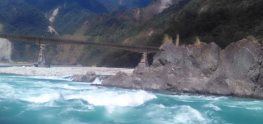
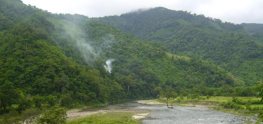
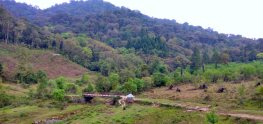
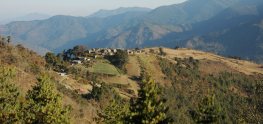
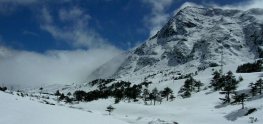
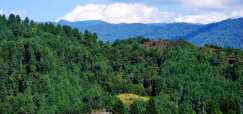
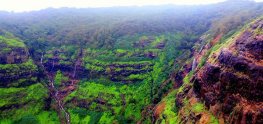
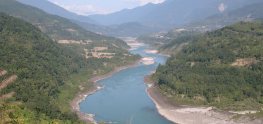
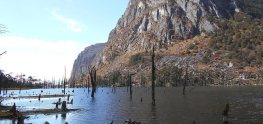
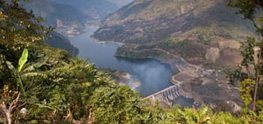
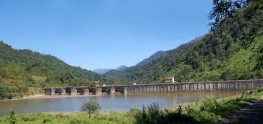
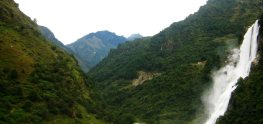
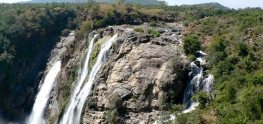
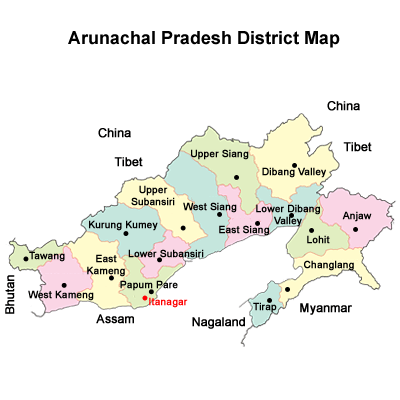
Arunachal is one of the most sparesely populated states of India, borders China, Bhutan and Myanmar. There are five major rivers - Kameng, Subansiri, Siang (later the Brahmaputra in Assam), Lohit and Tirap and the mountain ranges follow the river systems. Home to a complex mix of communities, its people are friendly, colourful and simple. Its rich flora ranges from the Alpine to the subtropical, from rhododendrons to orchids. Its verdant forests, turbulent streams, lofty mountains and snow clad peaks make it a unique place.
Tribals
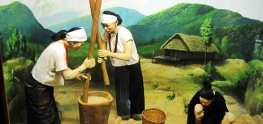
There are 26 major tribes and a number of sub-tribes inhabiting this area. Most of these communities are ethnically similar having derived from the original common stock but geographical isolation from each other has brought amongst them certain distinctive characteristics in language, dress and customs.
|
 |
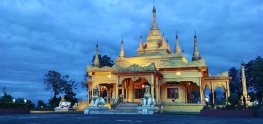
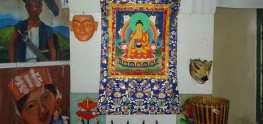
Broadly, the people have been divided into three cultural groups on the basis of their socio-religious backgrounds. The Monpas and Sherdukpens of Twang and West Kemeng districts follow the lamastic tradition of Mahayana Buddhism. Noted for their religious beliefs, the villages of these communities have highly decorated 'Gompas' . Though largely agriculturists, many of these people are also pastoral and breed herds of Yak and mountain Sheep. Culturally similiar to them are the Membas and Khambas, who live in the high mountains along the northern borders, Khamptis and Singphos, inhabiting the eastern part of the State are Buddhists of Hinayana sect. They are said to have migrated from Thailand and Burma long ago.
The second group of people are the Adis, Akas, Apatanis, Bungnis, Nishis, Mishmis, Mijis, Thangsos etc. who worship the Sun and Moon God. Their religious rituals largely coincide with the phases of agricultural cycles. They invoke nature deities and make animal sacrifices. Adis and Apatanis extensively practice wet-rice cultivation and have a considerable agricultural economy. Apatanis are also famous for their paddy-cum-fish culture. They have specialised over centuries in harvesting two crops of fish, along with each crop of paddy.
The third group comprises Noctes and Wanchos, adjoining Nagaland in the Tirap district. These are hardy people known for their structured village society in which the gereditary village chief still plays a vital role. The Noctes also practise elementary form of Vaishnavism.
|
| |
|
|