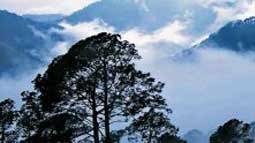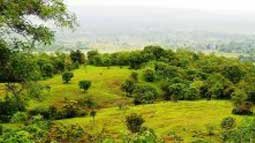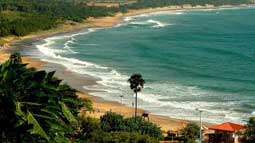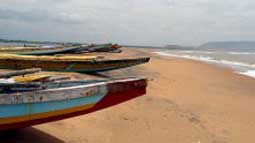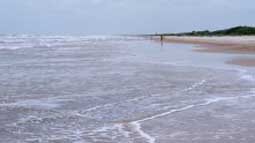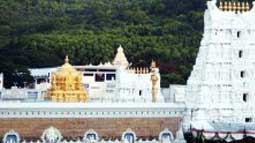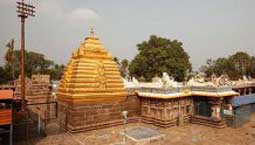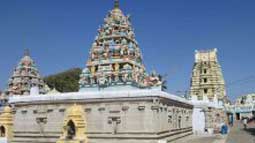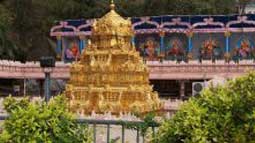
Andhra Pradesh, Travel to Andhra Pradesh, Andhra Pradesh Tourism India
| Area |
277,068 sq.kms |
| Population |
75,727,541 |
| Literacy |
61.11% |
| Language |
Telugu, Urdu, Hindi, English |
| Capital |
Hyderabad |
| Districts |
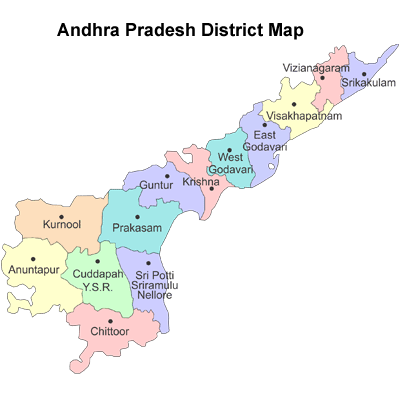
23 |
| Other Cities |
Guntur, Vijayawada, Vishakhapatnam, Tirupati, Warangal, Nellore, Prakasam. |
| Airports |
Hyderabad, Vijayawada, Vishakhapatnam, Tirupati, Rajahamundry. |
| Weather |
Best time to visit is between November and March. Summer temperature varies 20°C-41°C. Winter 13°C-32°C. Rainy season is June to December. |
| Places to Visit |
BEACHES - Maipuda, Vadarevu, Vishakhapatnam |
| Wild Life |
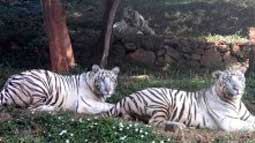
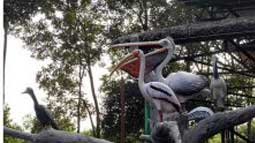
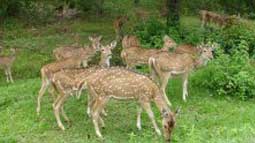
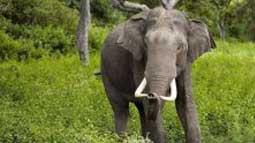
Eturnagaram, Hyderabad, Kawal, Kolleru (bird sanctuary), Pakhal (fishing), Nagarjuna Sagar |
| Temples, Forts and Monuments |
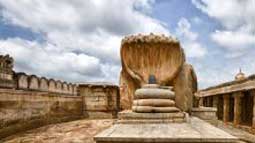
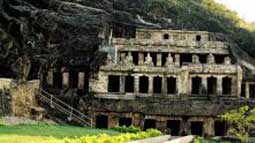
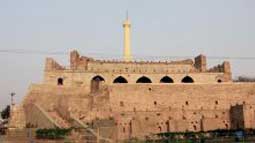
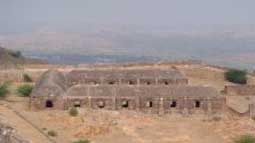
Amravati Bhadrachalam, Hyderabad Golconda, Lepakshi, Nagarjunakonda, Rajahmundry, Udaygiri, Warangal, Tirupati, Srisailam, Hanamkonda, Borra, Penukonda and Alampur |
|
 |
Introduction to Andhra Pradesh, About Andhra Pradesh
Andhra Pradesh is situated in the southern plateau one of the oldest geological formations in India and is sprawled over an area of 276,754 sq. km. The mighty Godavari and Krishna rivers cut their way through the plateau, forming large deltas before entering the Bay of Bengal. Andhra Pradesh, situated south of the Vindhyas, is surrounded by Madhya Pradesh, Orissa, the Bay of Bengal in the east and Tamil Nadu and Karnataka in the south and by Maharashtra in the west. It is the fifth largest state in India in area and population. With a 970 km coastline, it has the largest coastline in India.
Andhra Pradesh, also known as the Rice Bowl of India is like a melting pot of varied cultures. It is a region which has been governed by different dynasties and empires. This diverse exposure to the cultures and traditions of the empires has had an indelible influence in forming the Culture of Andhra Pradesh. The conglomeration of many cultures has formed the present day culture of the region. Some of the primary rulers of the region were the Ikshvakus, Pallavas, Chalukyas, Kakatiyas, Vijayanagars and Mughals.
The influence of external powers has influenced every aspect of the Andhra society. From music, dance, cuisine and literature, the foreign powers have left a mark of their own. This variety and diversity has helped the culture to become richer and more successful.
The climate is generally hot and humid. The summer temperatures vary from 20C to 40C, while in winter it is between 13C and 32C. The South-West monsoons play a major role in determining the climate of the state. The North-East monsoons are responsible for about one-third of the total rainfall in Andhra Pradesh. June to December are the monsoon months and the weather remains hot and sultry. October to February is the best season.
Culture of Andhra Pradesh, Andhra Pradesh Culture
Different fields of art comprise the Culture of Andhra Pradesh. The rich cultural heritage of Andhra Pradesh is evident from the internationally renowned Carnatic music. |
|
The region is home to some of the most popular classical musicians like Thyagaraja and Annamacharya. The state's popular form of dance, Kuchipudi showcases immense talent and creativity. This dance form had originated in 300 BC and since then it has been a great contribution to Indian classical dance.
The local language of the region, Telegu is an extremely intense language and many compositions and poems have been written in this language. The nuances of the language highlight the depth of the language. Influenced by Sanskrit, Telegu is an exceptionally rich language. |
Our Other Information about Haryana state are as follows :
- Temples of Andhra Pradesh
- Park of Andhra Pradesh
- Sanctury of Andhra Pradesh
- Culture of Andhra Pradesh
External link
http://aptdc.in/home/intro.php
Indian Tourism
|
|
|
|
|
|