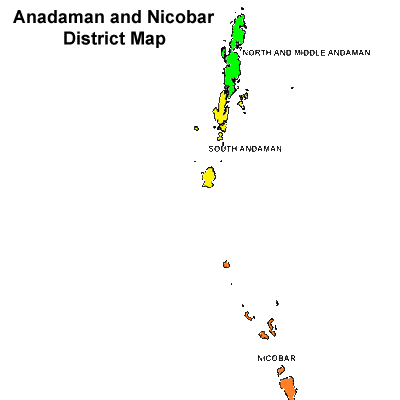

Little is known historically about Andaman and Nicobar, a cluster of around 572
islands of which less than 50 are populated, stretching from the southern tip of Burma all the way down south till Sumatra in Indonesia. It is believed that
Marco Polo was among the first from the West to set foot on one of the islands.
Kanhoji Angre, a Maratha
admiral had his base on the island in the early 18th century. From there, he attacked passing Portuguese, Dutch and English merchant vessels on their way to or from their various Asian colonies. In 1713, his navy even succeeded in capturing the yacht of the British Governor of Bombay. Despite many efforts by the British and later a joint military force of British and Portuguese naval forces, Kanhoji Angre was never defeated. He died in 1729.
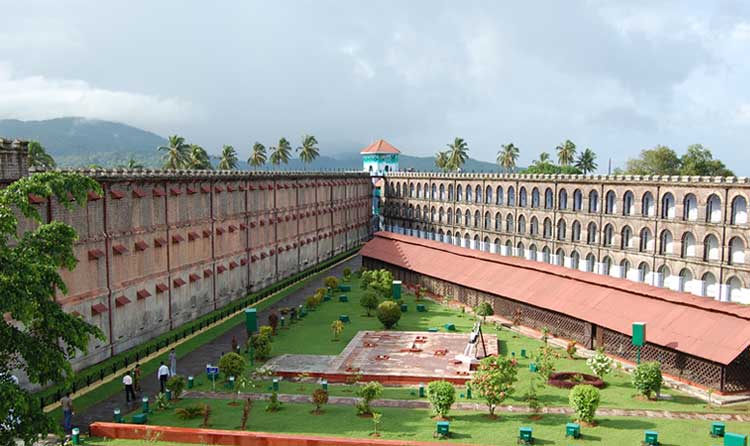
The British established their first colony in the Andaman and Nicobar Islands in 1789, which was abandoned in 1796. The British finally annexed the islands in the 19th century adding them to their empire. They turned it into a penal colony for Indian freedom fighters. The construction of the infamous Cellular Jail was completed in 1908. Hundreds of anti-British Indians were tortured to death or simply executed here. With the Second World War, Japanese troops occupied the islands and the local tribes initiated guerrilla activities to drive them out. When India achieved independence in 1947, the Andaman and Nicobar Islands were incorporated into the Indian Union.
ANDAMAN & NICOBAR - PEOPLE
Ethnicity
Due to consistent emphasis of the government on progress and its encouragement to the mainlanders to settle there has resulted in the local tribes becoming a minority group in their own land.
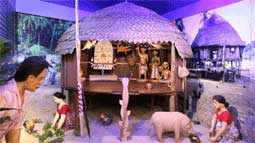
The indigenous tribes are distinguished in two groups: the Onge, Sentinelese, Jarawa and Andamanese of Negroid descent living on the Andaman Islands and the Shompen and Nicobarese of Mongoloid descent living in the Nicobar Islands. Most of the tribes are on the verge of extinction. This sad destiny will most likely hit the Andamanese tribe first since their number is as low as thirty. The Sentinelese is the least studied tribe still living in isolation on the North Sentinel Island. Their number is estimated at 250. Outsiders attempting to make contact with them are driven away with bows and arrows. They continue to maintain a unique lifestyle living in harmony with nature just as they have done for thousands of years.
Arts and Crafts
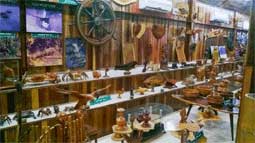
The main crafts of the Andaman & Nicobar Islands include shell and exotic woods crafted for the tourists, palm mats, and beautiful natural shells. Due to the fear of over exploitation of the Islands' natural resources, trade of some products is now banned.
Fairs-Festivals
The islanders celebrate most of the festivals of the mainland due to the influence of the external society and the development that has taken place. Major festivals are Durga Puja, Pongal, Panguni Uthiram, and Onam. Other important festivals are Mahashivaratri, Janmashtami, Holi, Diwali, Christmas, Good Friday, etc.
The Island Tourism Festival is celebrated every year for 15 days between December and February in Port Blair. Dance performances from the troupes residing in different islands are organized. One of the major attractions at this festival .
Food
All of the tribes of these islands were hunters till recently and some of them had not invented fire. Because of this reason no particular cuisine has developed in Andaman and Nicobar Islands. Now, with increasing links with the developed worlds, the habitants are adopting their food habits too. Seafood is available in plenty and many restaurants serve fresh seafood.