Pongal:
A three-day harvest festival and one of the most joyful events in the South. In
Tamil Nadu, newly harvested rice is ceremonially cooked. In Karnataka, the festival is
called 'Sankranti', and cows and bullocks are gaily decorated and fed on 'Pongal' ( a
sweet preparation of rice). In the evening, the cattle are led out in procession to the
beat of drums and music.
Id-ul-Zuha:
Commemorates the sacrifice of Abraham. The Muslims offer prayers all around the country.
Muharram:
Commemorates the martyrdom of Imam Hussain, the grandson of the holy Prophet Mohammed, and
observed by the Shi'ite Muslims, who take out processions of colourfully decorated
'Tazias', which are paper and bamboo replicas of the martyr's tomb at Karbala in Iraq. The
processions are specially impressive at Lucknow. In parts of the South, tiger dancers--men
painted over with stripes and wearing tiger masks--lead the procession.
Holi:
The most boisterous of all Hindu festivals, observed all over the North. It heralds the
end of winter. Men, women and children revel in throwing coloured powder and squirting
coloured water on each other. Greetings and sweets are exchanged.
Mahavir Jayanti:
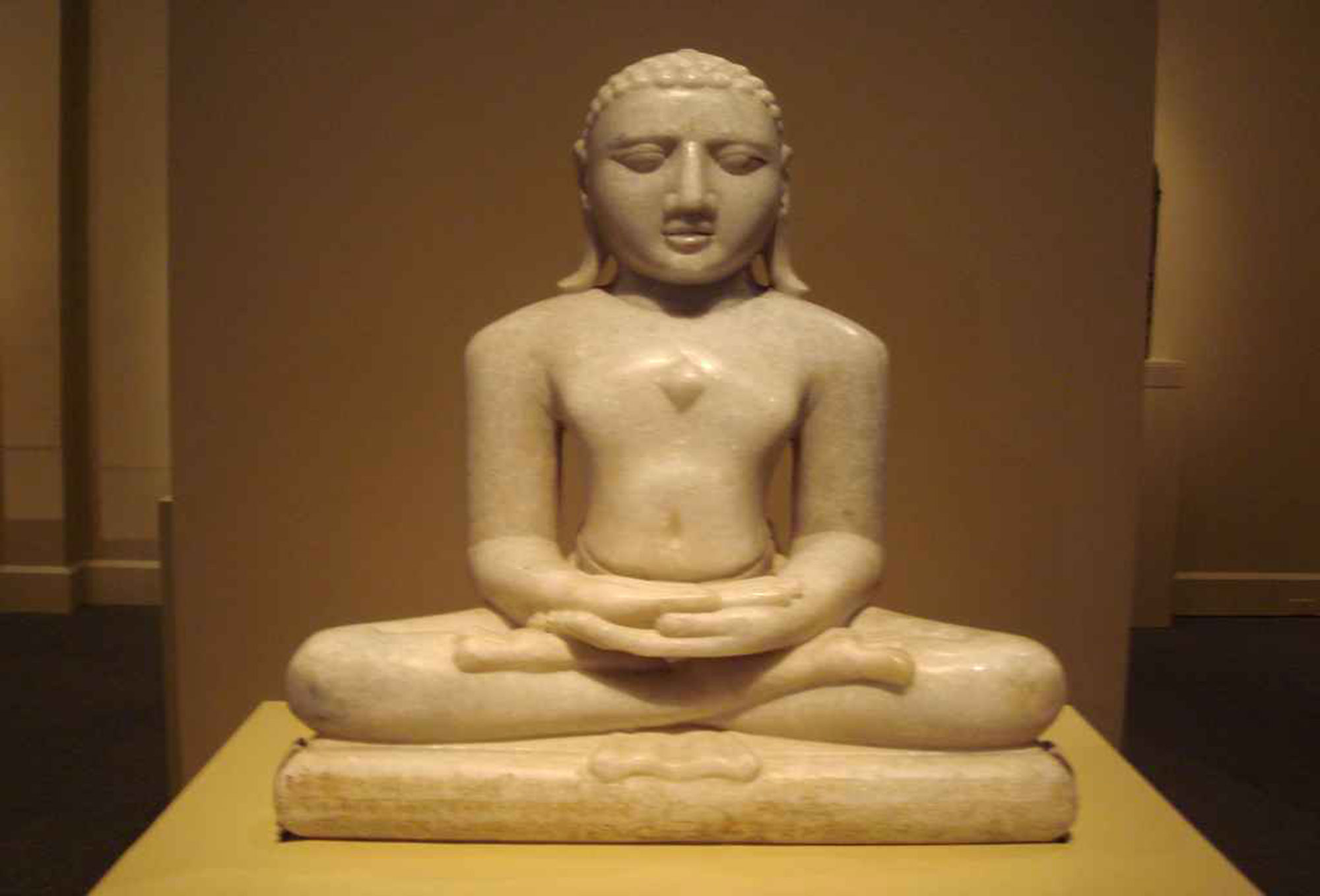
The anniversary of the birth of Vardhamana Mahavira, the twenty-fourth Tirthankara, more
than 2,500 years ago. The festival attracts pilgrims from all parts of the country to the
ancient Jain shrines at Girnar and Palitana in Gujarat.
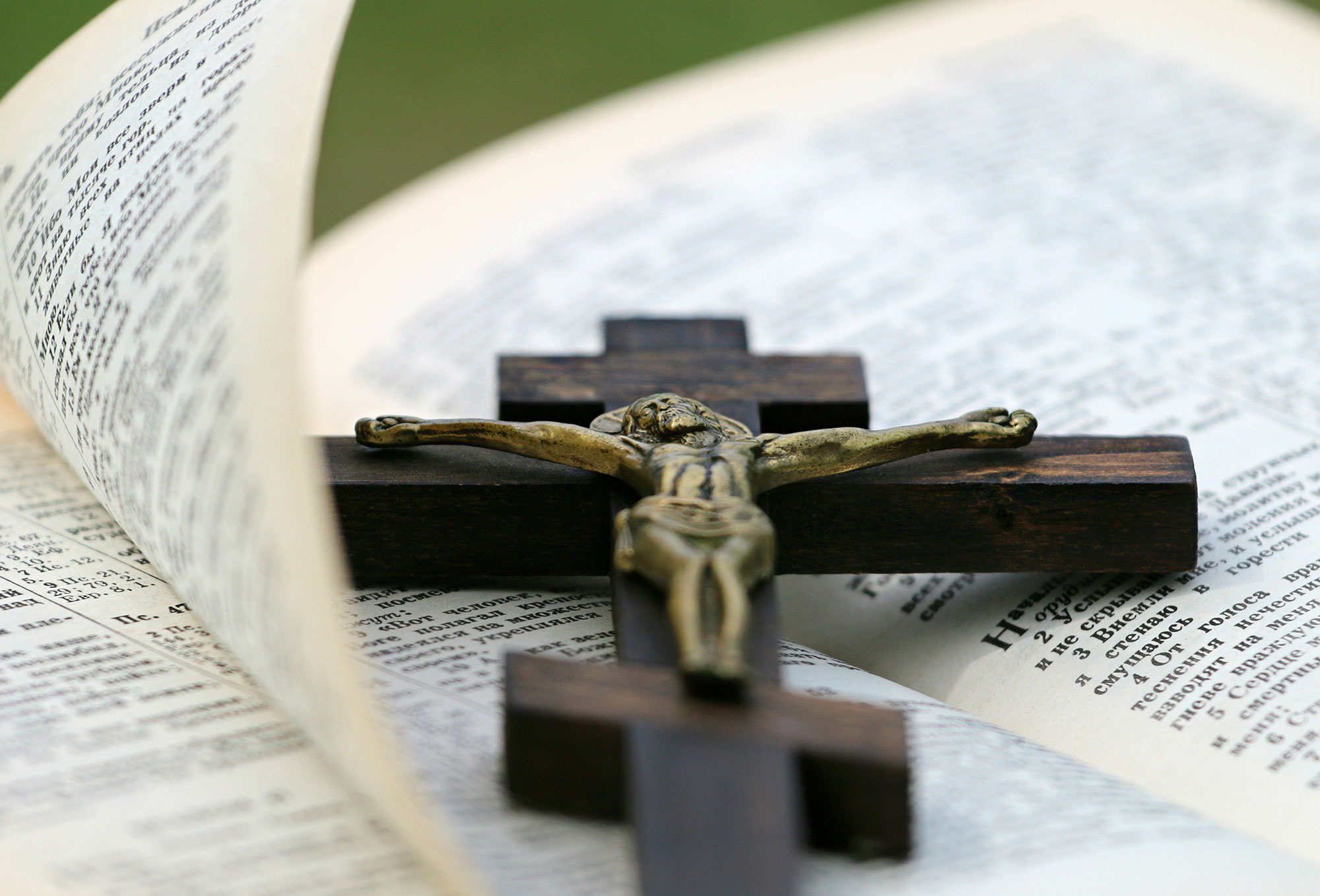
Good Friday:
Services and recitals of religious music are held in hundreds of churches all over India.
Easter:
The Christian belief in the resurrection of Christ is celebrated with enthusiasm by the
members of the community. Processions are taken out in some parts of the country.
Baisakhi:
The Hindu Solar New Year Day. People bathe in rivers and go to temples to offer puja
(worship). Baisakhi is of special significance to the Sikhs. On this day in 1699, Guru
Gobind Singh organised them into the 'Khalsa', brotherhood of man. In Punjab, farmers
start harvesting on this day with great fanfare. Villagers perform the 'Bhangra'
folk-dance.
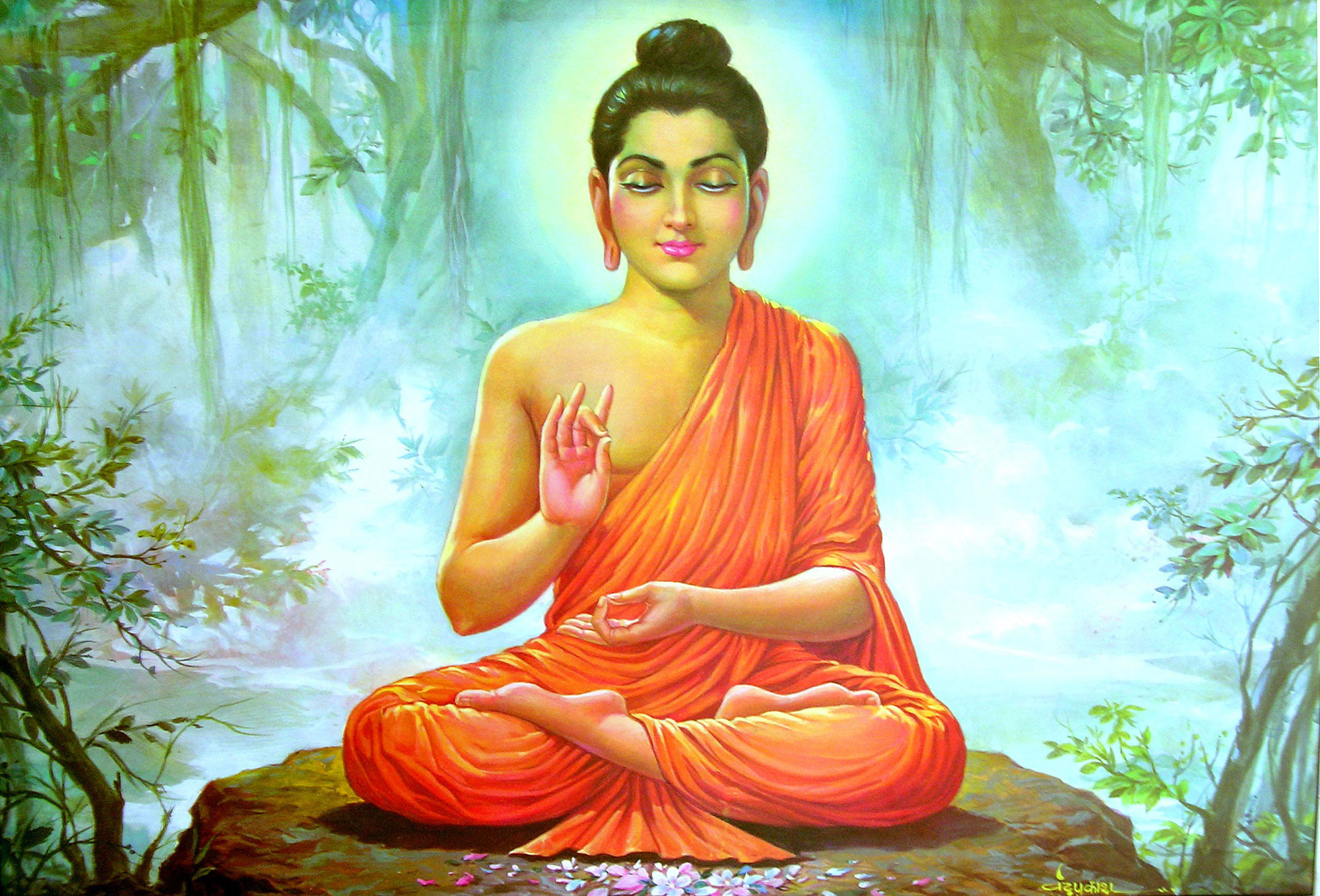
Buddha Purnima:
Marks the birth and enlightenment of Buddha.
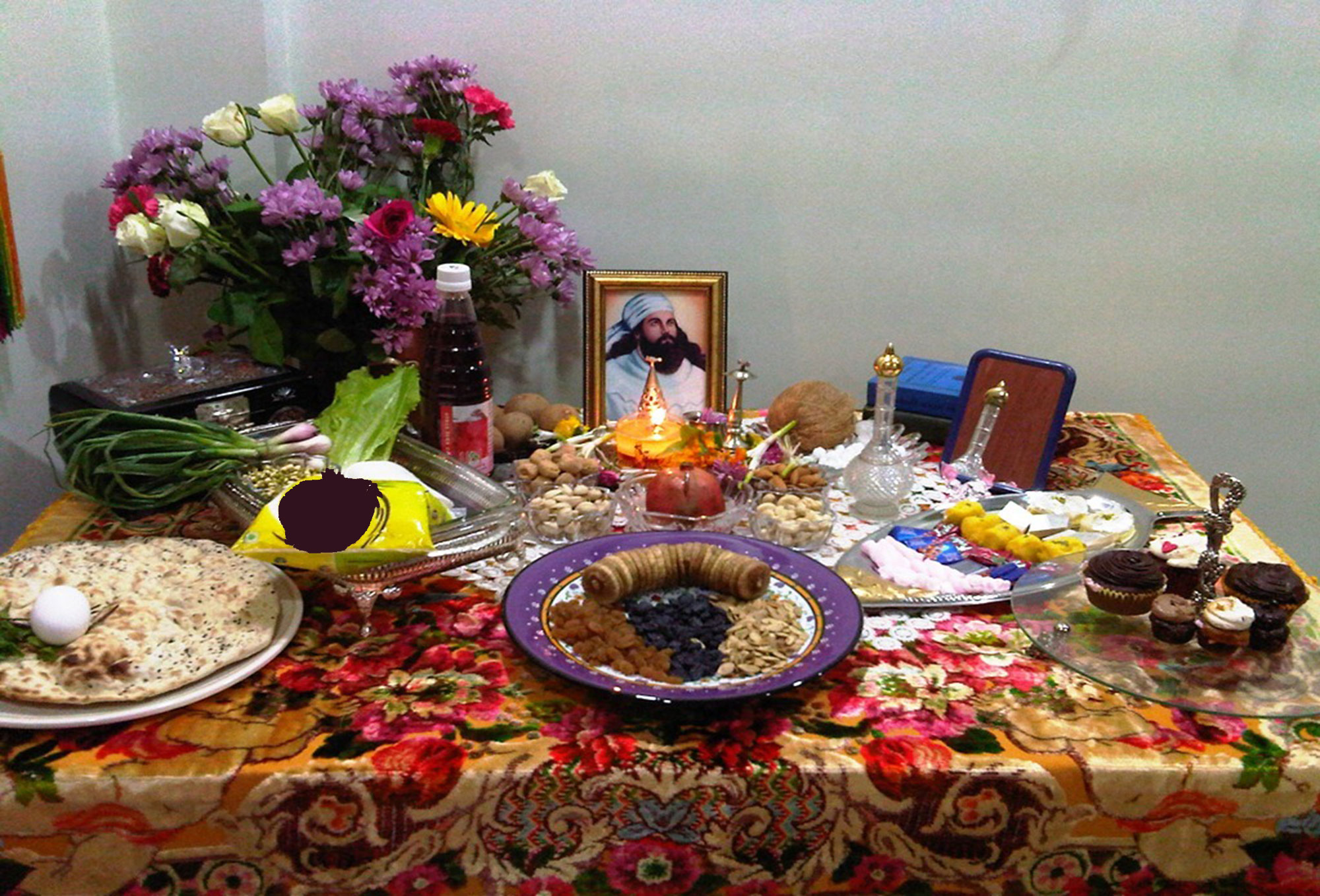
Khardad Sal:
The birth anniversary of the Prophet Zarathustra (Zoroaster), who was born at the
beginning of the first millennium BC. It is one of the most important Parsee festivals.
Janmashtami:
The birth anniversary of Lord Krishna, the incarnation of Vishnu and the author of the
Bhagavad Gita (Song Celestial), is observed all over. It is celebrated with special eclat
at Mathura and Brindavan where Lord Krishna spent his childhood. Night-long prayers are
offered and religious hymns are sung in temples. Scenes are enacted from Lord Krishna's
early life.
Onam:
Kerala's most popular festival, celebrated with great enthusiasm, it is primarily a
harvest festival. The most exciting part of the festival is the snake-boat race held at
several places in the palm-fringed lagoons.
Dussehra and Durga Puja:
Among the most popular of all festivals, it symbolises the triumph of good over evil.
Every region observes this 10-day festival in a special way. In the North, 'Ram Lila'
recitations and music recall the life of the legendary hero, Rama. Large fire
cracker--stuffed effigies of Ravana, symbolising evil, explode to the cheers of thousands
of spectators. In Kulu against the backdrop of snow-covered mountains, villagers dressed
in their colourful best assemble to take out processions of local deities accompanied by
music on pipes and drums. In Karnataka, Dussehra is celebrated with magnificent pomp and
pageantry. In Bengal and the East, it is called 'Durga Puja'. Images of Goddess Durga are
worshipped for four days and, on the last day, taken out in a procession and immersed in a
river or the sea.
Diwali:
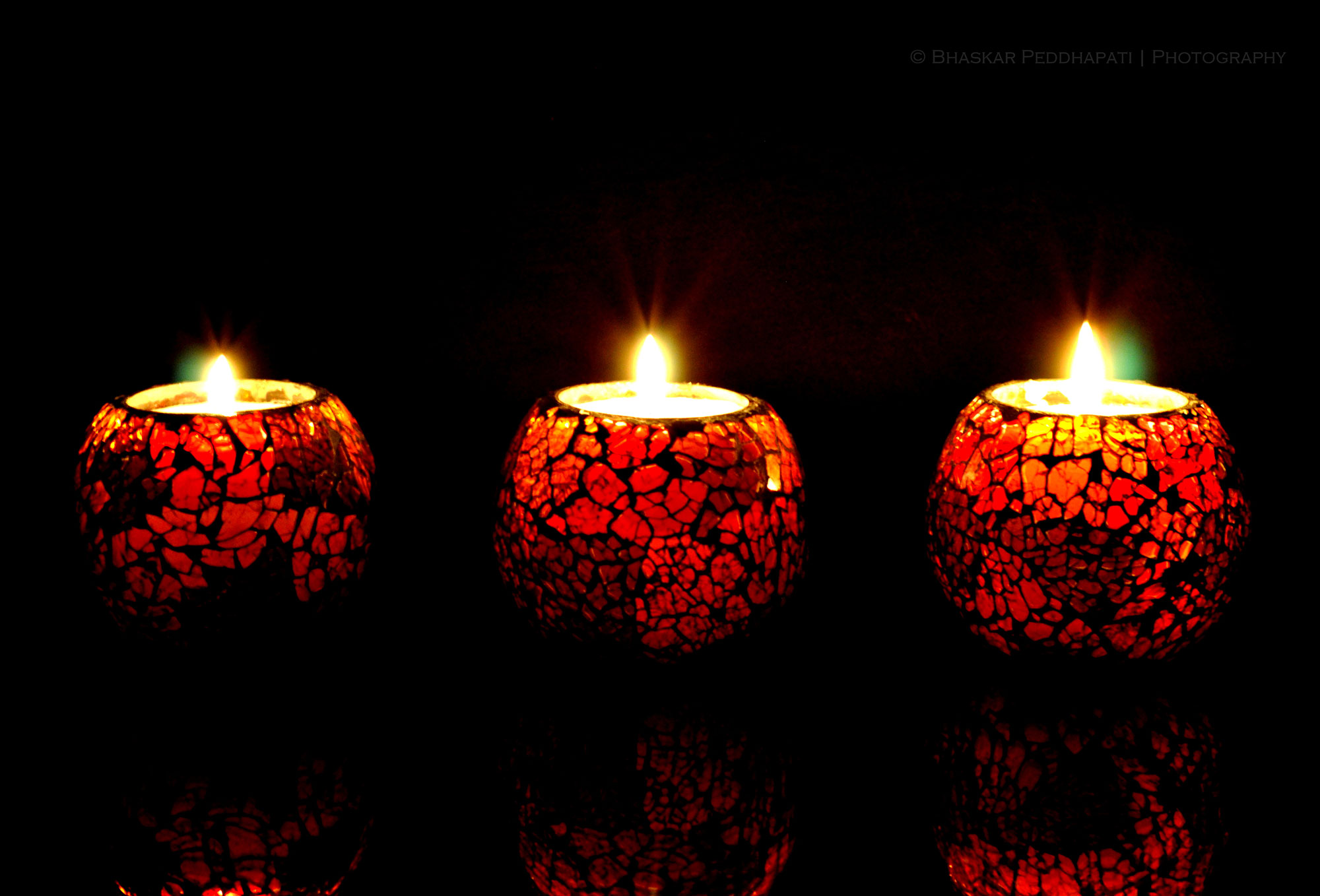
The festival of lights is one of the most beautiful of Indian festivals. It comes 21 days
after Dussehra and celebrates the return of Rama to Ayodhya after his 14-year exile.
Countless flickering oil lamps and lights are lit in houses all over the country making it
a night of enchantment. Worship of Lakshmi, the goddess of wealth, and fireworks and
festivities are an essential part of the occasion.
Guru Nanak Jayanti:
Also known as 'Gurupurab', it is the birth anniversary of Guru Nanak who founded the Sikh
faith. For two days and nights preceding the festival, the 'Granth Sahib' (Holy Book) is
read and on the day of the festival, taken out in a grand procession. The celebrations at
Amritsar are especially impressive.
Id-ul-Fitr:
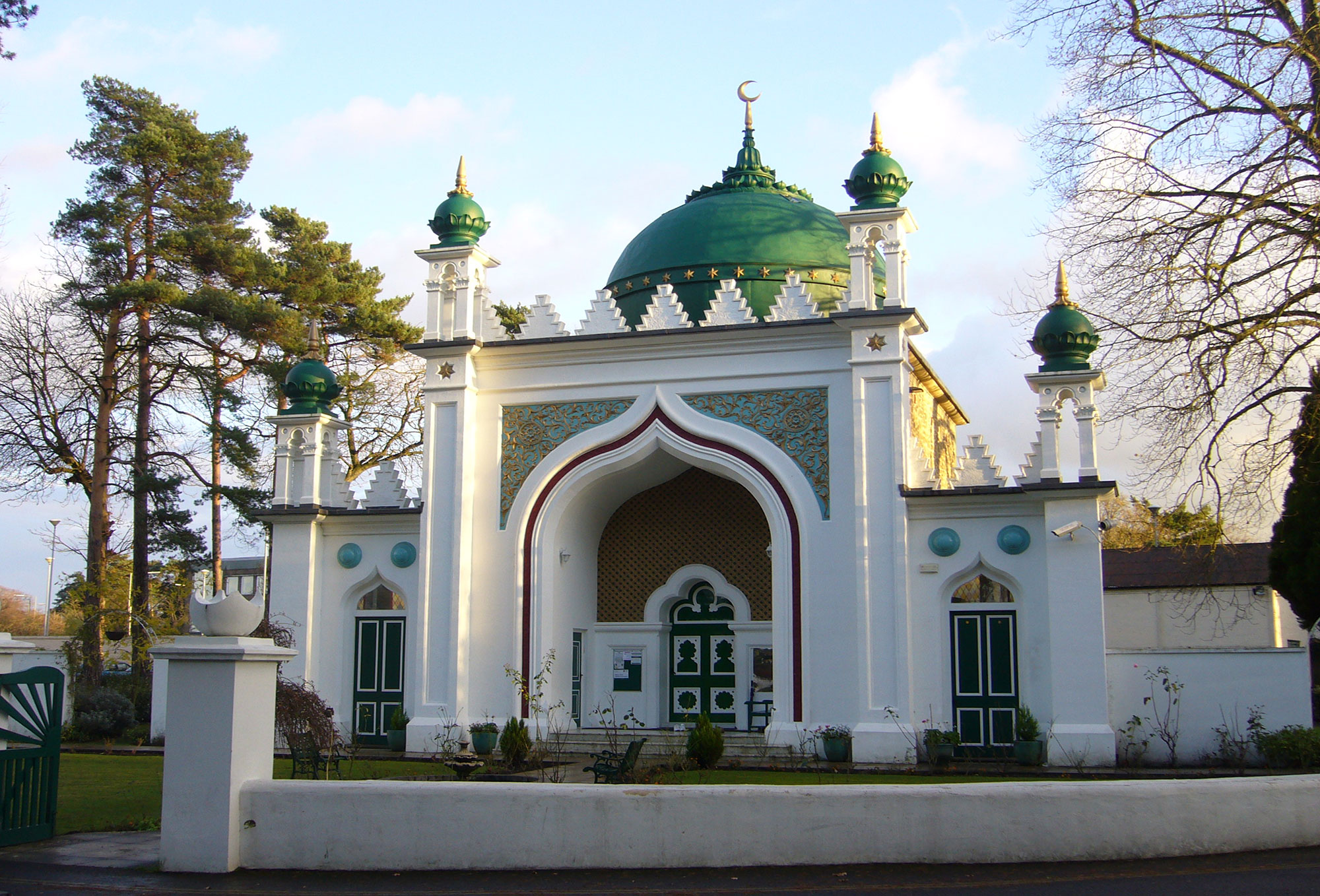
Celebrates the end of Ramzan, the Muslim month of fasting. It is an occasion of feasting
and rejoicing. The faithful gather in mosques to pray; friends and relatives meet to
exchange greetings.
Christmas:
Celebrated by Christians and non-Christians alike with special enthusiasm. The bigger
cities like Delhi, Bombay and Calcutta wear a festive look as Christmas bazaars and
festivities are organised.
Questions, comments, suggetions, inquiries about this site, please click here to contact us!