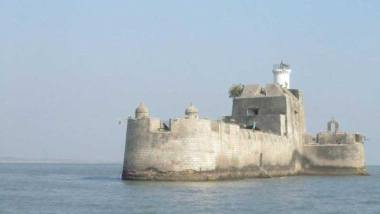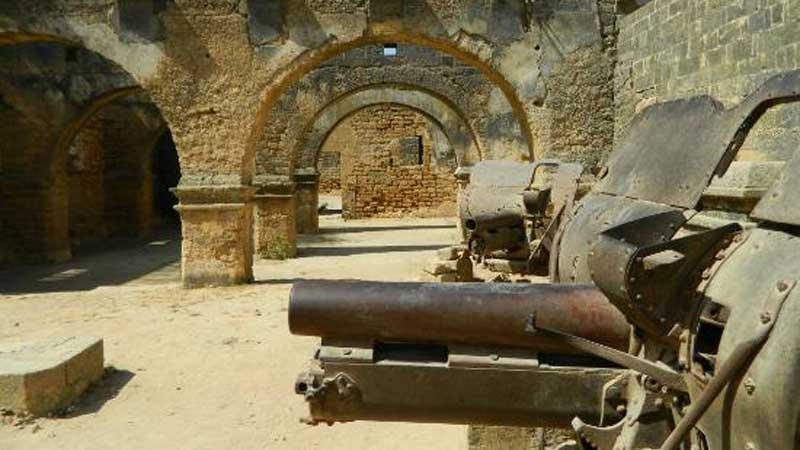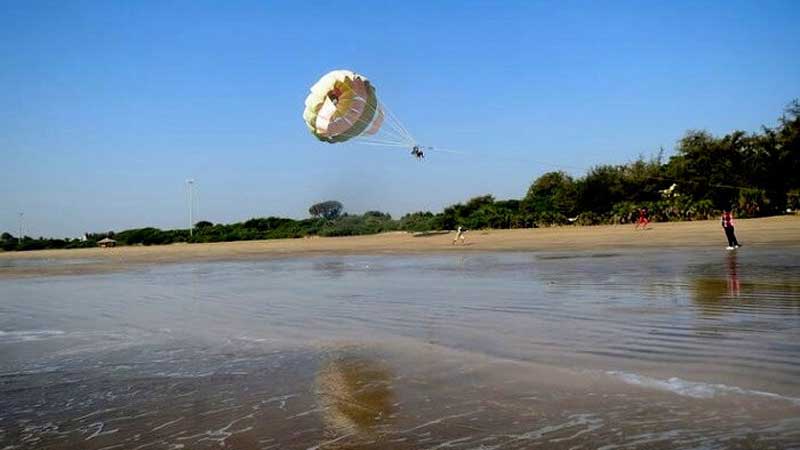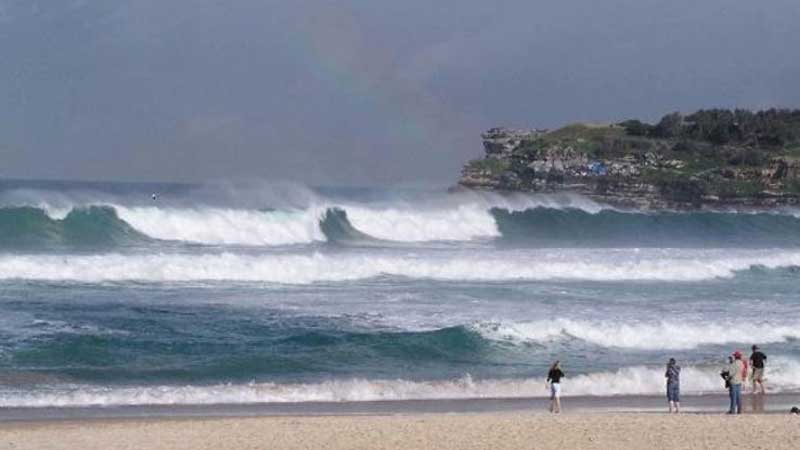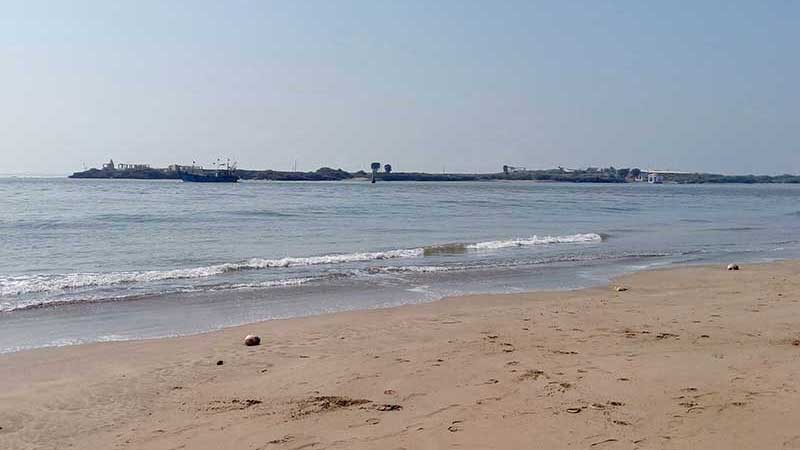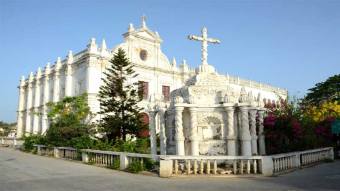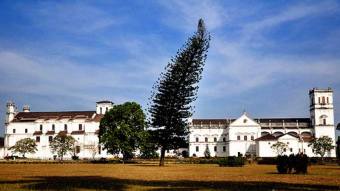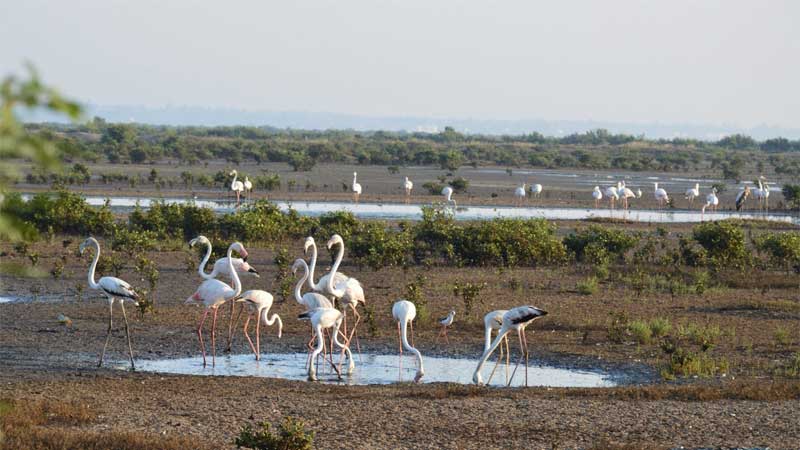
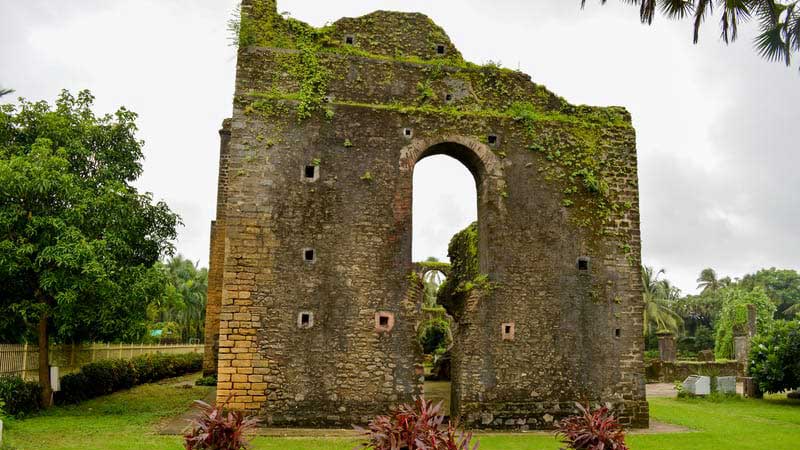

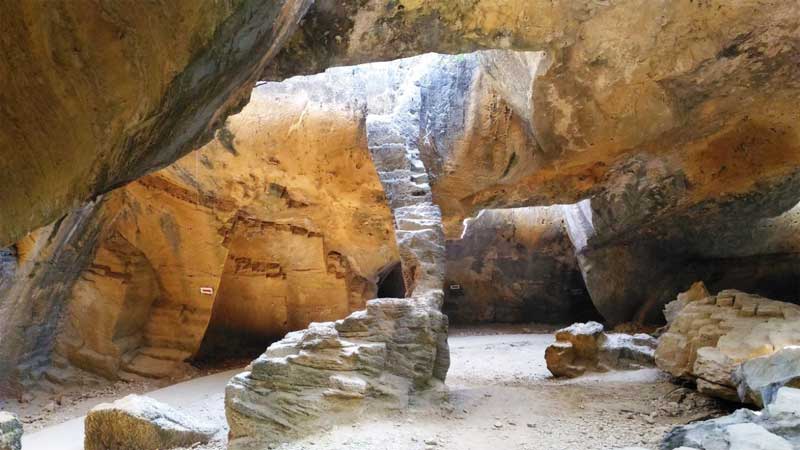

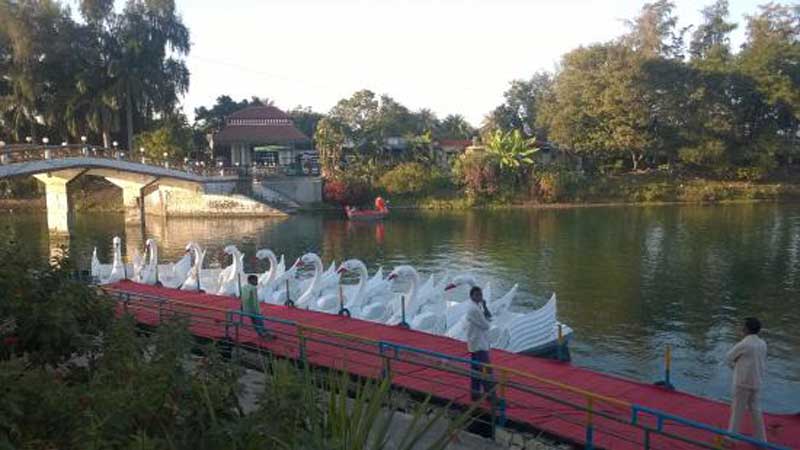

On the west coast of India, Daman and Diu are the smallest union territory. These twin islands were controlled by the Portuguese for a period of 450 years. The massive forts, magnificent cathedrals, and other impressive monuments of Daman & Diu exude the subtle old world charm of its colonial era. Daman & Diu is renowned for its natural splendour.
Daman and Diu has a growth potential in the tourism sector and attract a numerous domestic and overseas travelers every year. n order to promote tourism in Daman & Diu, Daman & Diu Tourism Board has taken many initiatives from development of infrastructure, to conservation of historical monuments and buildings. A good number of hotels and guesthouses have sprung up in the towns, which are run by Daman & Diu Tourism and private hoteliers.
The people of Daman and Diu are not different from the people in the adjoining Gujarat area. They have same outlook and the same customs and traditions. The Daman and Diu union territory, between the two units has one representative in the union parliaments, lower house, the Lok Sabha. Explore Incredible India with Special Holidays.
The people of Daman and Diu are similar to the people of the adjoining Gujarat state. Their traditions and customs are very much similar with the Gujarati traditions. Majority of the population is Hindu and Gujarati is widely spoken by the people.
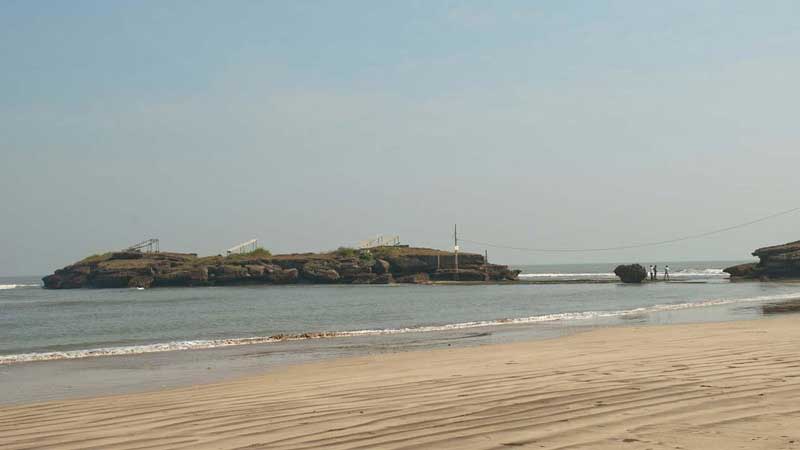
The word "diu" is derived from the Sanskrit word dweep, meaning island. From the 14th to 16th century, this tiny island (coastal length 21 kms) was one of India's best sea ports, an important trading centre and a naval base. Today, it is a serenely beautiful getaway with golden beaches, dense palm-groves and historical monuments, but minus the commercial exploitation and environmental degradation that have spoiled so many other destinations. Daman and Diu is, perhaps, one of India's last undiscovered jewels, being virgin, picturesque, clean, and green.
Apart from the tourism industry, Daman has become an important industrial centre, due to its' proximity to the industrialized states of Maharashtra and Gujarat. It follows a strict environmental policy - only non-polluting units are allowed to set up shop. Daman accounts for 40% of India's plastic manufacturing capacity and has developed a notable cluster of related industries.